

The history of Leica
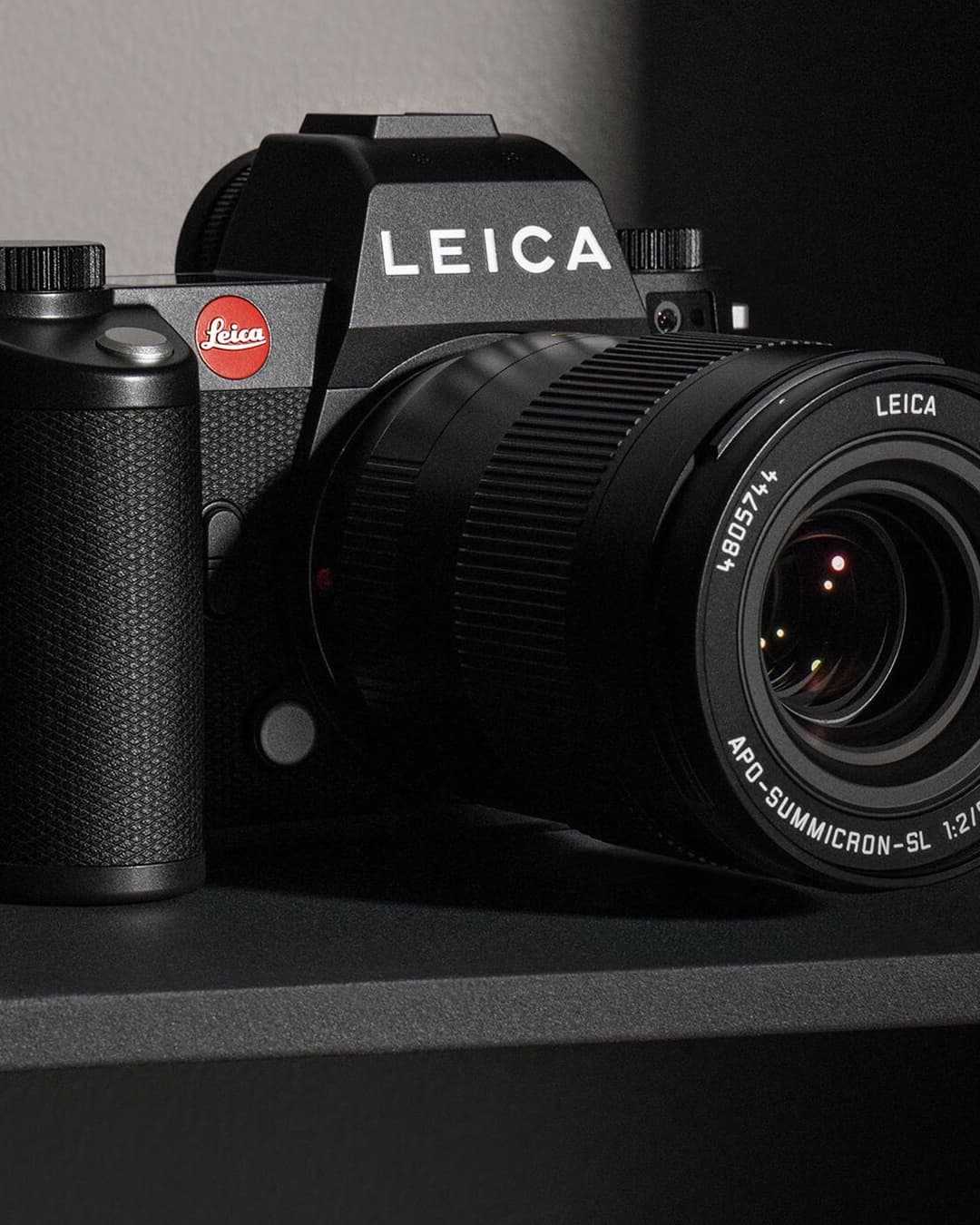
Before the cameras appeared
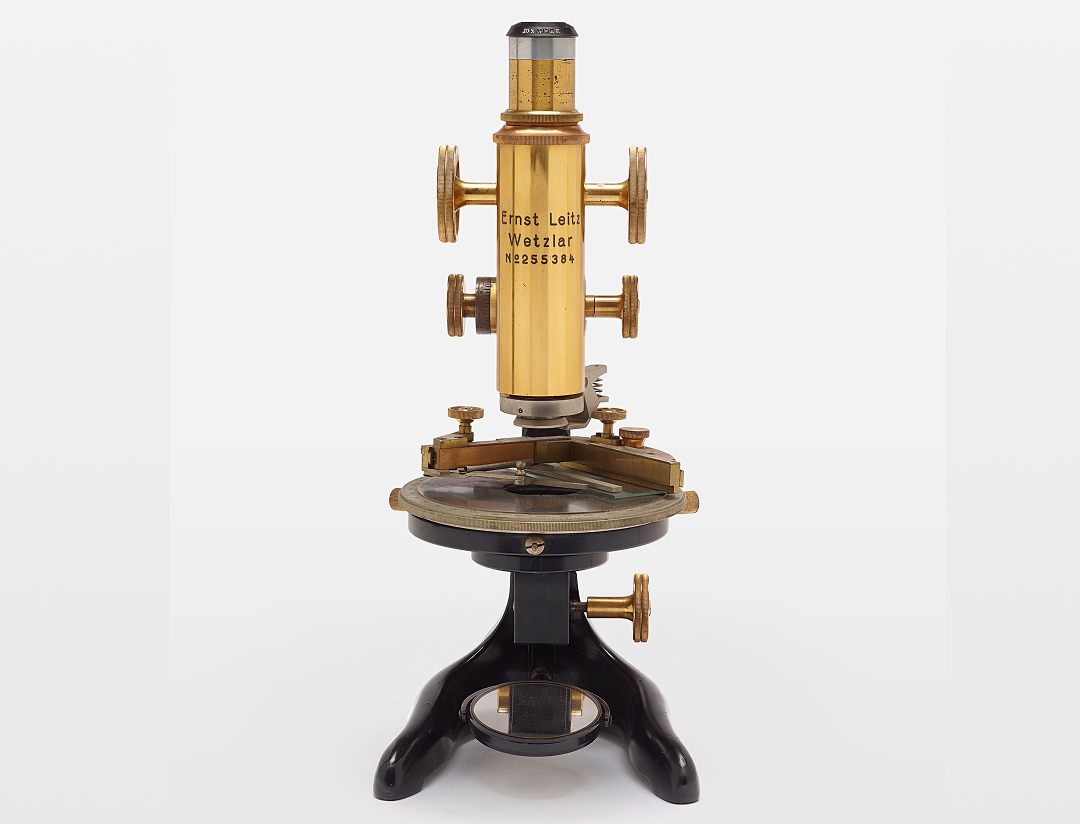
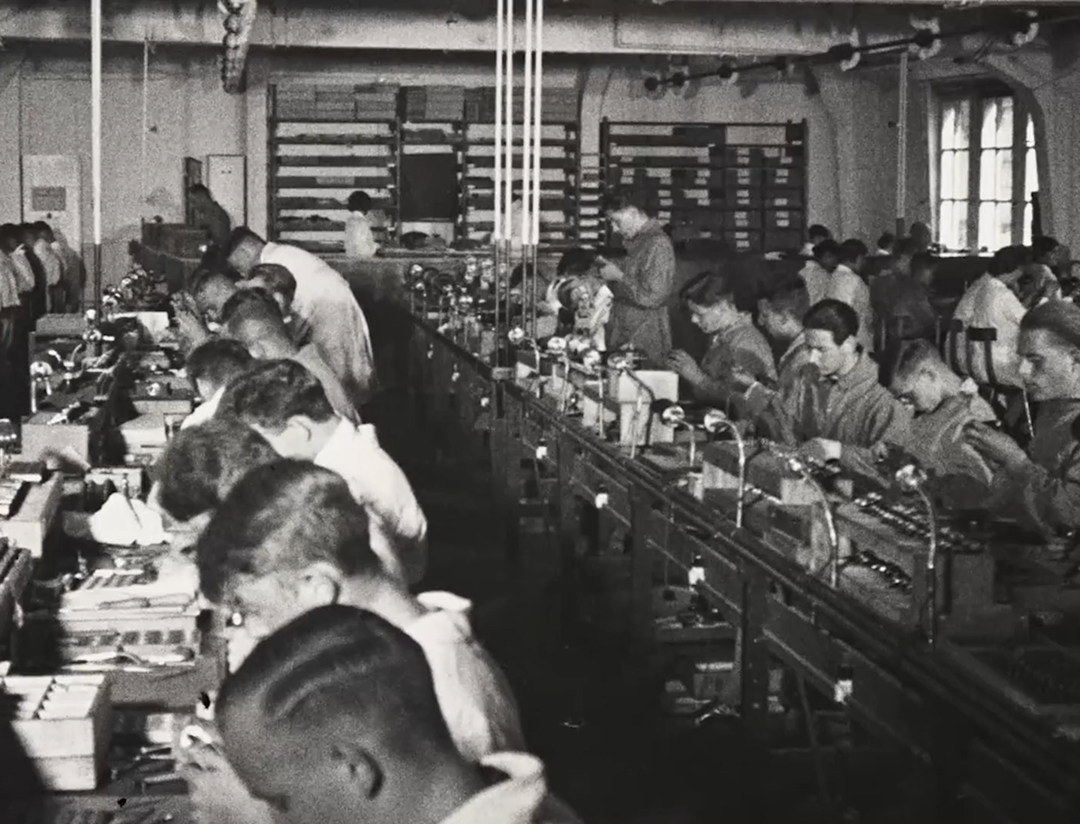
Before the first Leica appeared, the Leitz company had already spent 60 years working with optical instruments — lenses, microscopes, precision mechanics. When Oscar Barnack came to it in 1911, this culture of precision made it possible to create the first working 35-millimeter camera
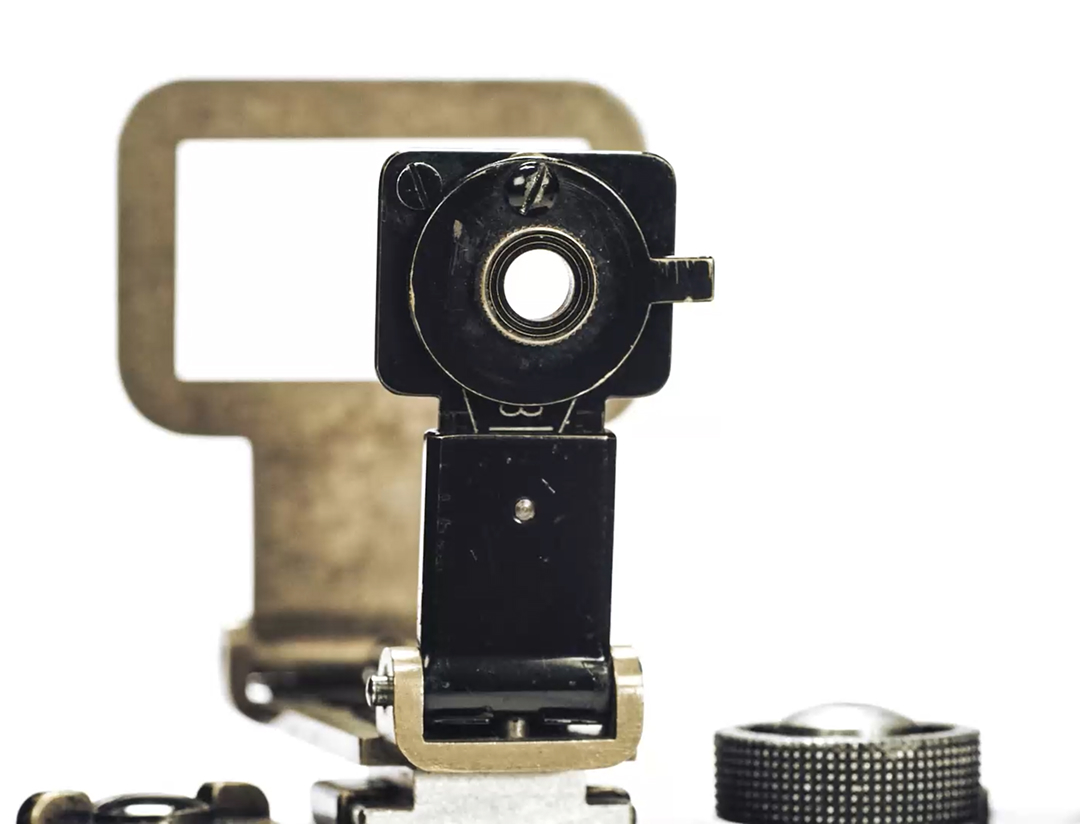
1913. Ur-Leica
Oscar Barnack, a mechanical engineer with asthma, worked at Leitz from 1911. Heavy plate cameras physically exhausted him during travels. He turned the 35mm film reel horizontally and doubled the frame — thus the 24×36 format was born, which still forms the basis of full-frame sensors
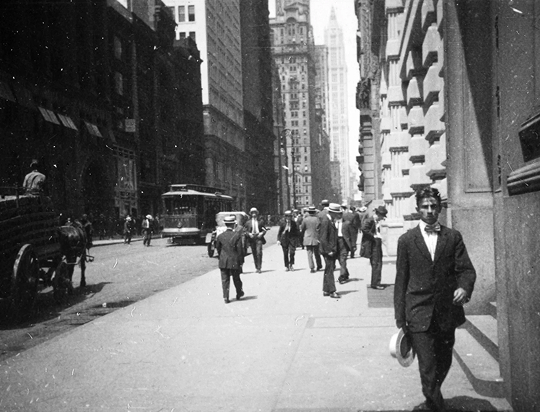
Ernst Leitz II's secret album
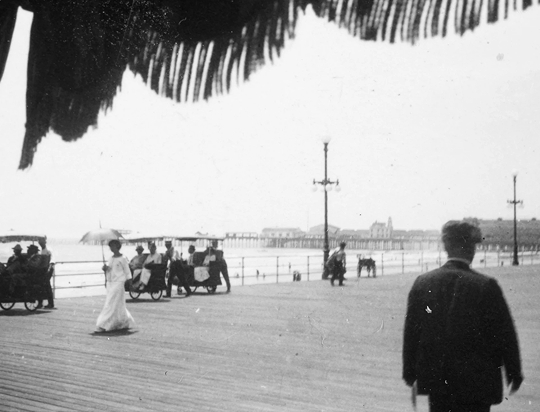
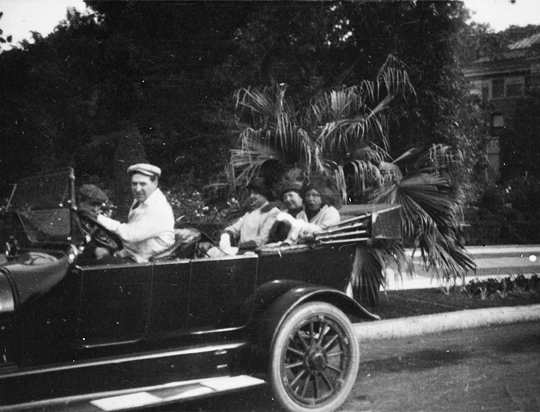
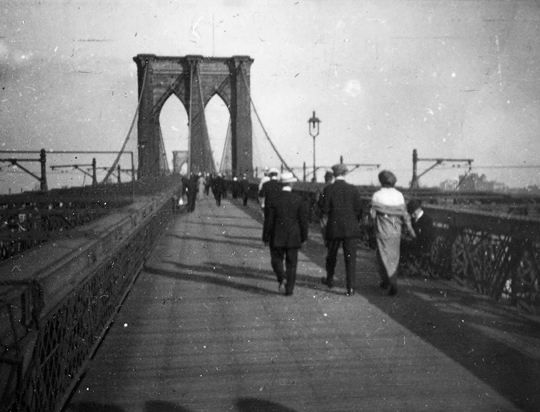
In 1914, the company owner, by no means a photographer, took the camera prototype on a business trip to New York. Without planning it, he shot an entire album of street scenes of the city — street photography in the form we know it today. This personal experience may have been the impetus for putting the camera into production.
"We are taking the risk"
World War I and the post-war crisis delayed the launch by 10 years — the finished prototype lay in a drawer. In 1923, Ernst Leitz II dared to take a risk, despite engineers' doubts and an uncertain market: "I order: we are taking the risk". A decision that would determine the entire future of the company.
1925. Leica I enters the market
Debut at the spring fair in Leipzig. The only camera on the market capable of perfectly capturing a spontaneous moment. Spontaneous shots and new angles gave journalism a new language — reports began to replace staged photographs and illustrations in newspapers and magazines.
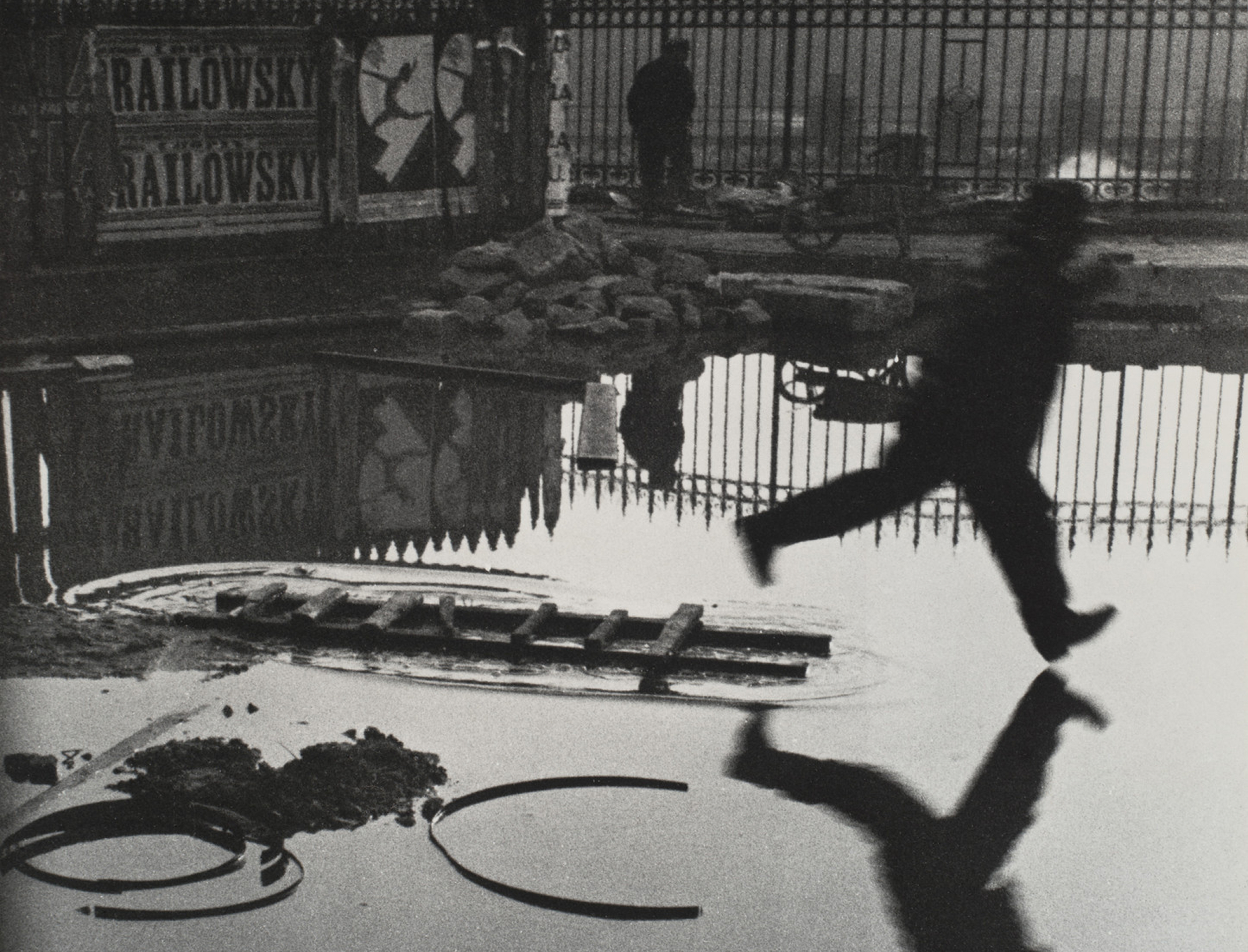 "Behind the Gare Saint-Lazare" (1932) — Henri Cartier-Bresson
One of the most famous street photographs in history, capturing a man jumping over a puddle behind the railway station in Paris. The author took only one frame, unable to see whether he had captured the moment.
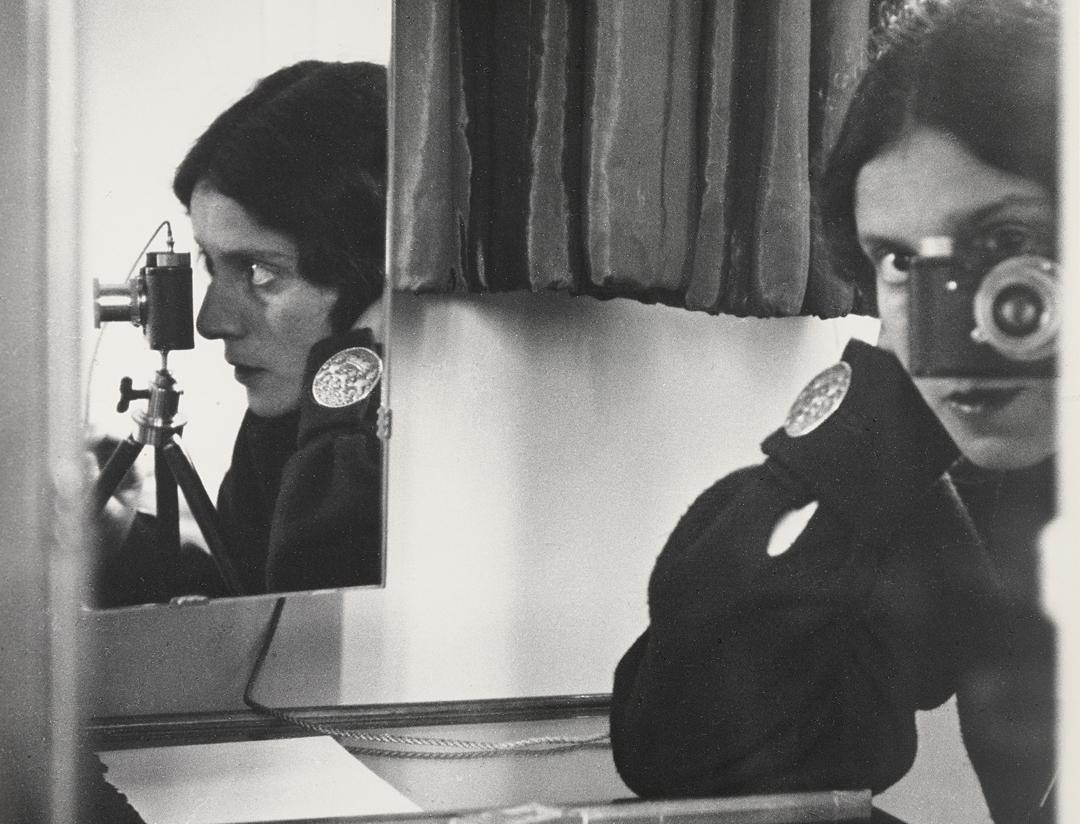 "Self-portrait in mirrors" (1931)
German avant-garde photographer Ilse Bing, called the "Queen of Leica", created this famous self-portrait in Paris using a system of mirrors. The photograph simultaneously shows her profile and frontal view with a Leica I camera pressed to her eye.
1932–33. Leica II and III
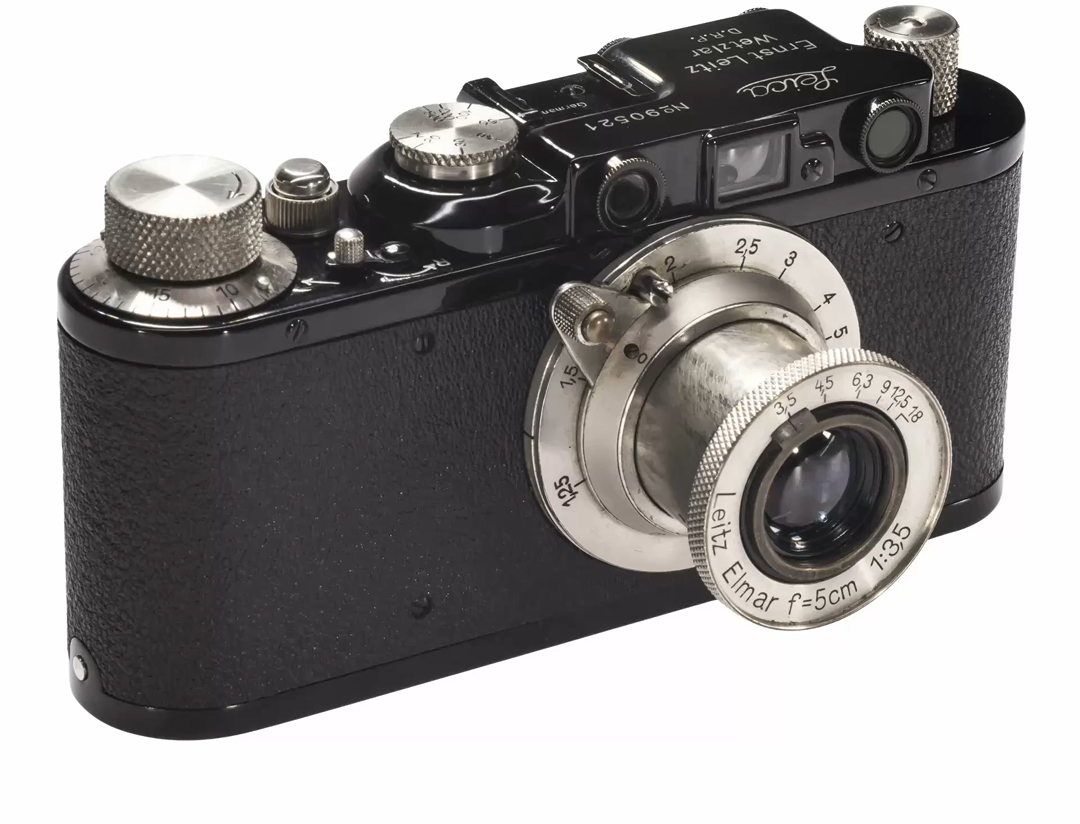
The first model with a built-in rangefinder — contemporaries jokingly called the camera's new look "two-eyed". Period advertising described this as "automatic focusing": it worked faster and gave a much higher percentage of sharp shots. A year later, the Leica III added a second shutter speed dial.
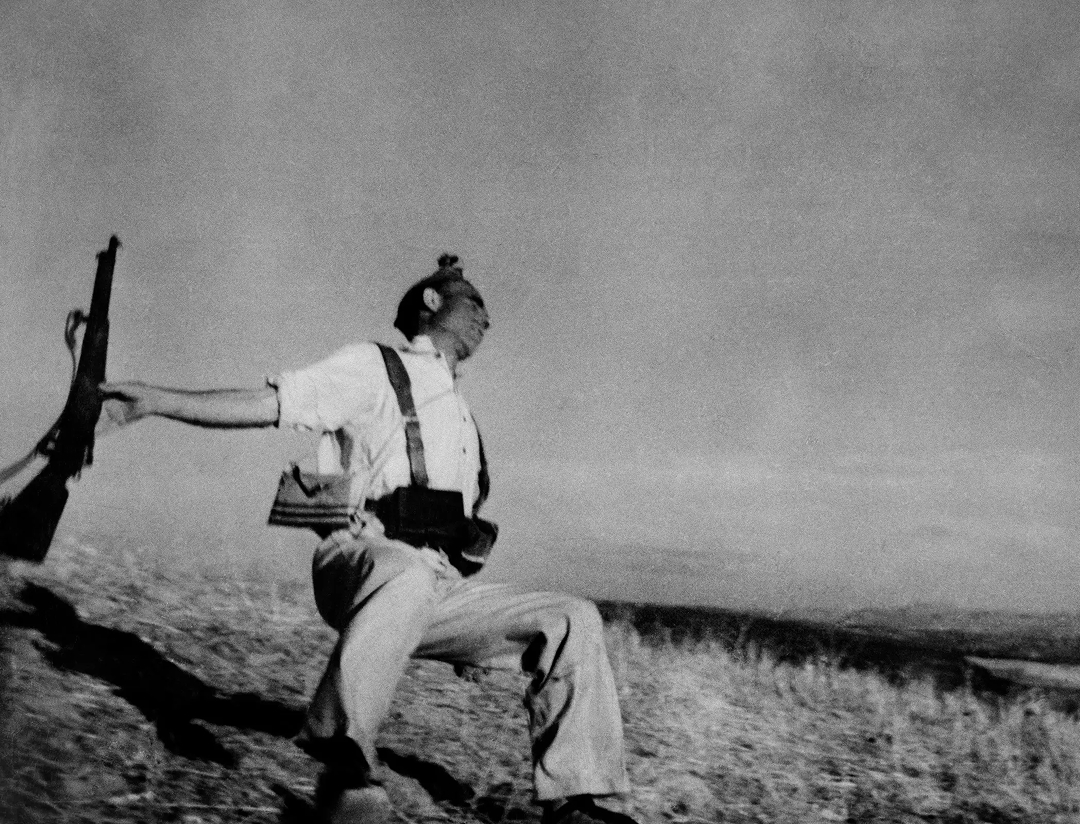 "Death of a Loyalist Militiaman" (1936) — Robert Capa
The most famous and most controversial military photograph of the twentieth century, taken during the Spanish Civil War. It captures the moment when a Republican soldier is struck by a bullet.
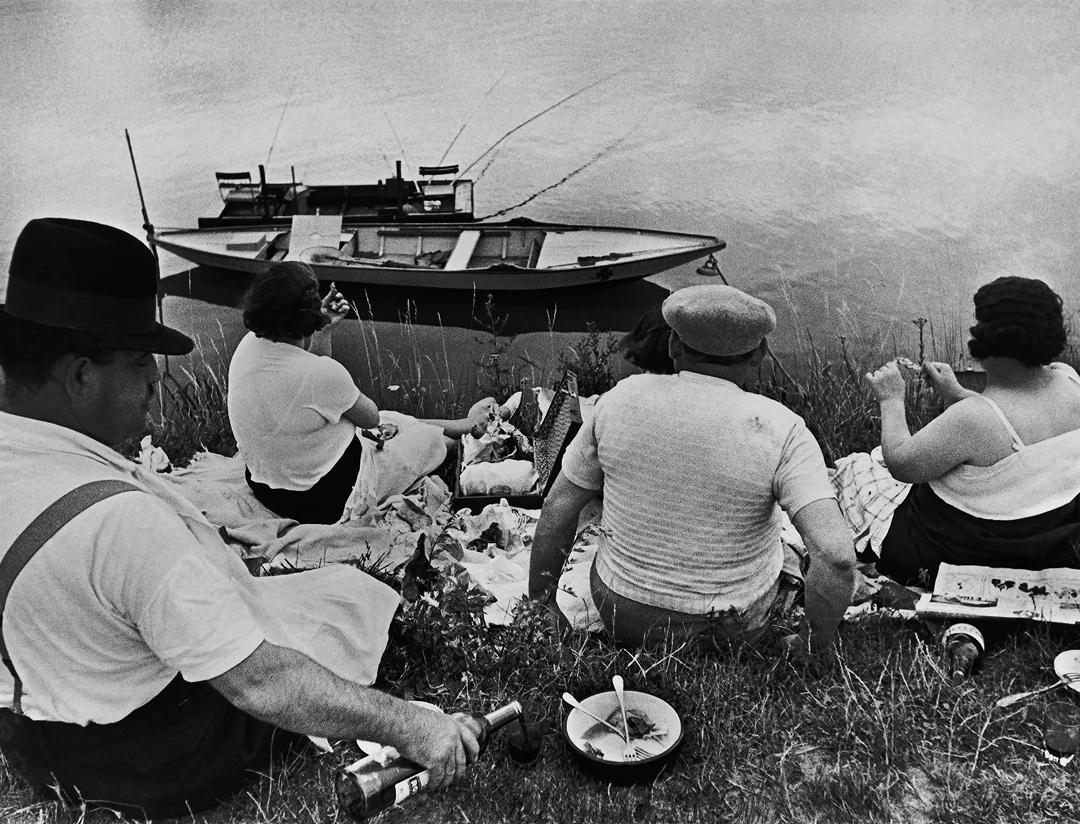 "An der Marne" (1938) – Henri Cartier-Bresson
In 1936, the French government introduced the first mandatory vacations for workers. The photo shows a working-class family on a picnic on the banks of the Marne River near Paris, which was previously a privilege only for the bourgeoisie.
1939. War
Goebbels called the Leica a "weapon" of propaganda. With the same camera, Ernst Leitz II saved Jewish employees — sending them abroad under the guise of "business trips" and giving them a camera as a parting gift. His daughter Elsie spent three months in prison for this.
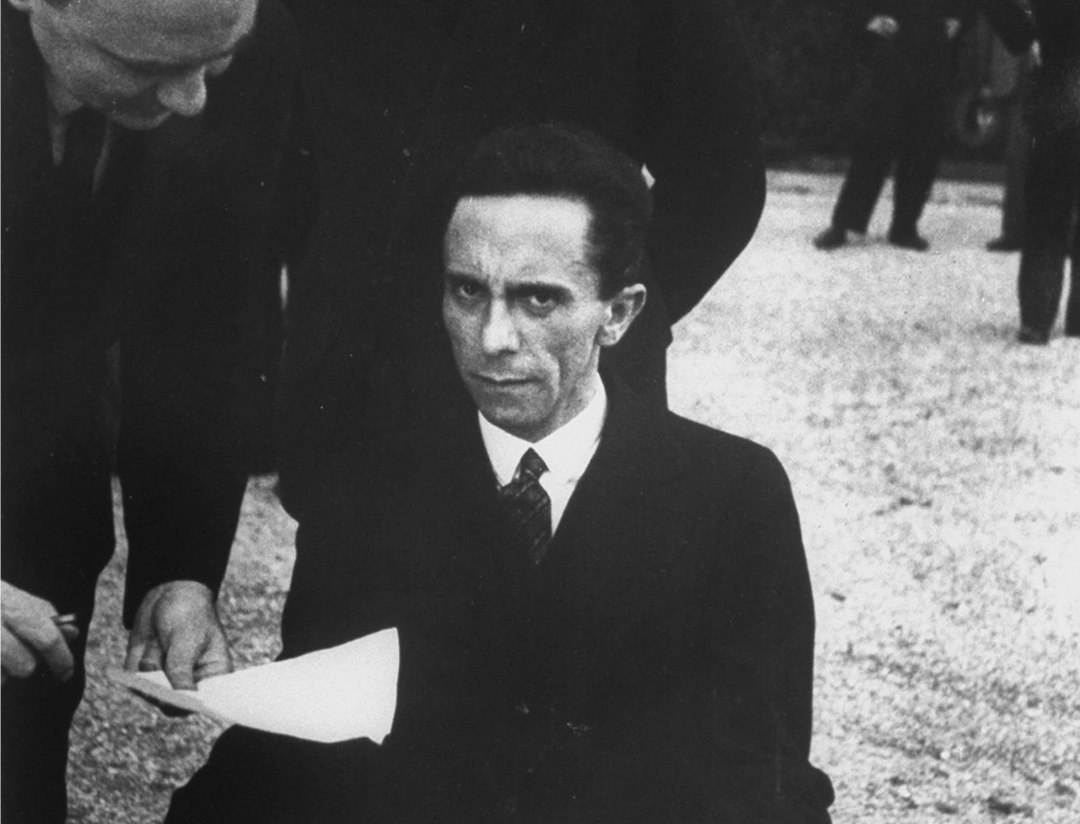 Photo "Eyes of Hate" (1933) — Alfred Eisenstaedt
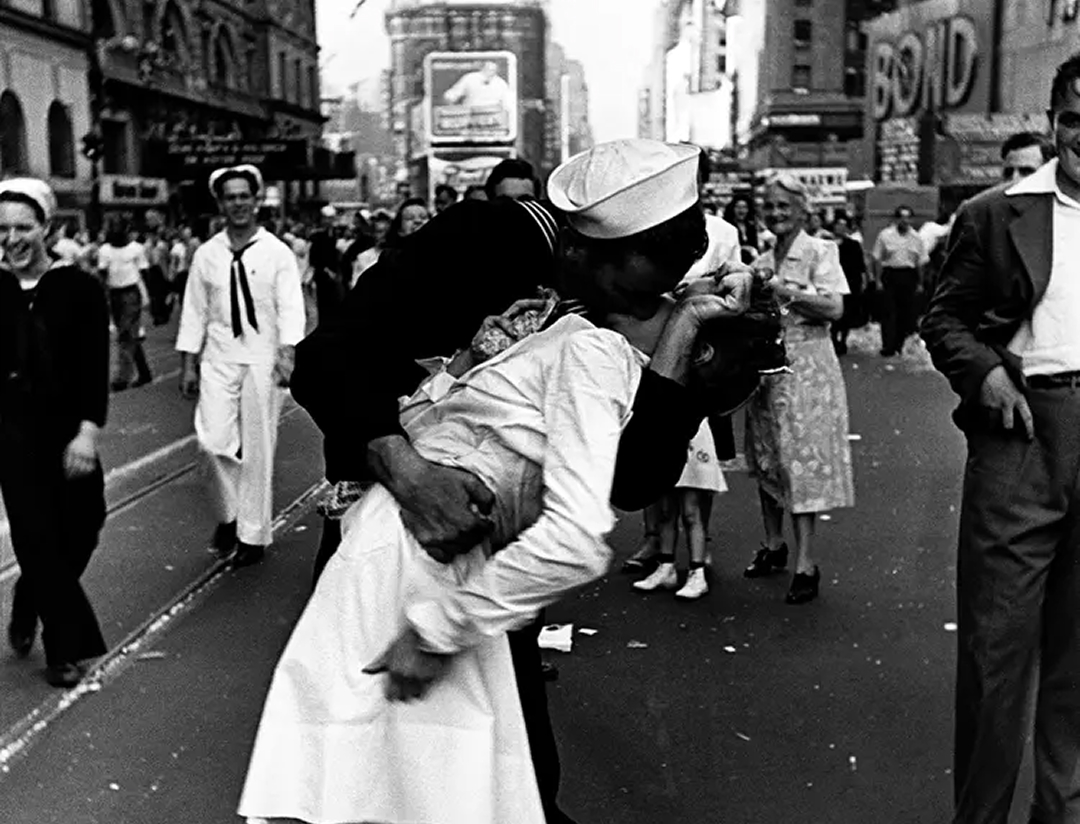 "The Kiss on Times Square" (1945) – Alfred Eisenstaedt
The photograph was taken on August 14, 1945, during celebrations marking the end of World War II in New York. It shows sailor George Mendonsa kissing nurse Greta Zimmer Friedman in the midst of a crowd.
1953. A lens without radiation
The Summicron became the first major post-war breakthrough in Leitz optics. Pre-war lenses were often made from glass with radioactive thorium — it provided a higher refractive index but yellowed and emitted radiation over time. The Summicron achieved the same sharpness with new, safer lanthanum glass.

1954. Leica M3
After Barnack's death, design was led by Willy Stein — with an emphasis on simplicity, ergonomics, and precision, which still define Leica. The model was so ahead of its time that the basic design of the M-system remained virtually unchanged for the next 70 years.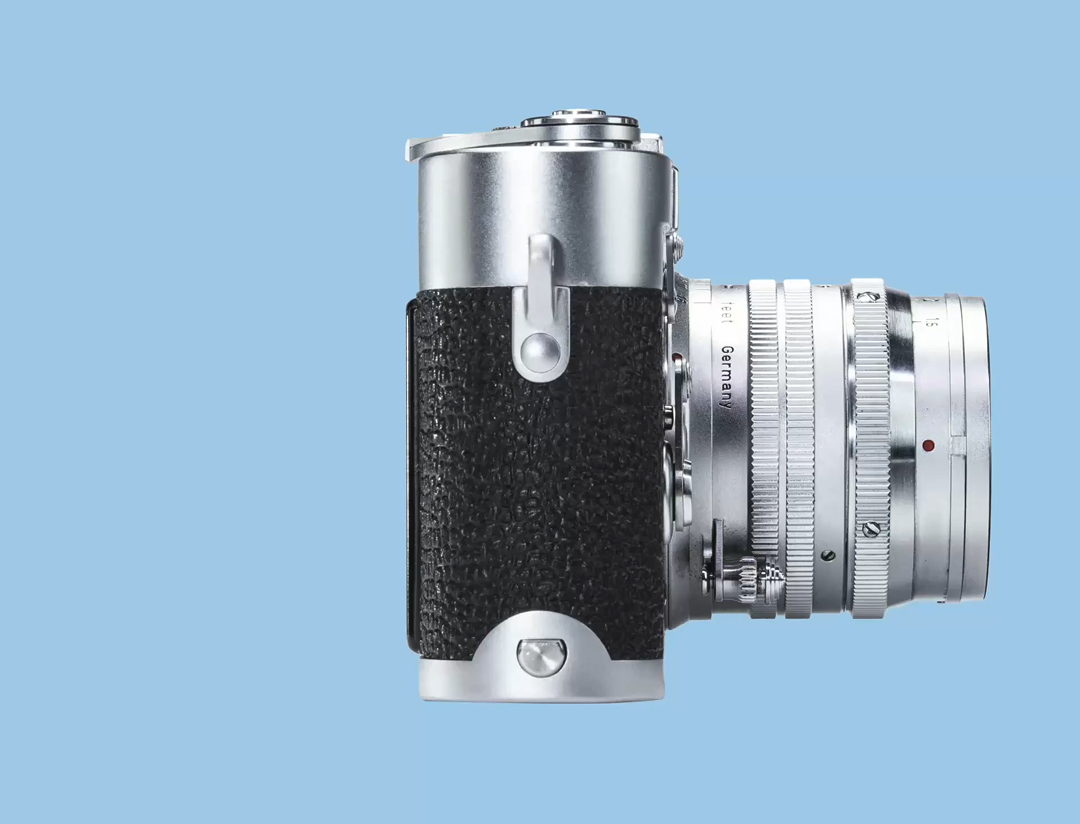
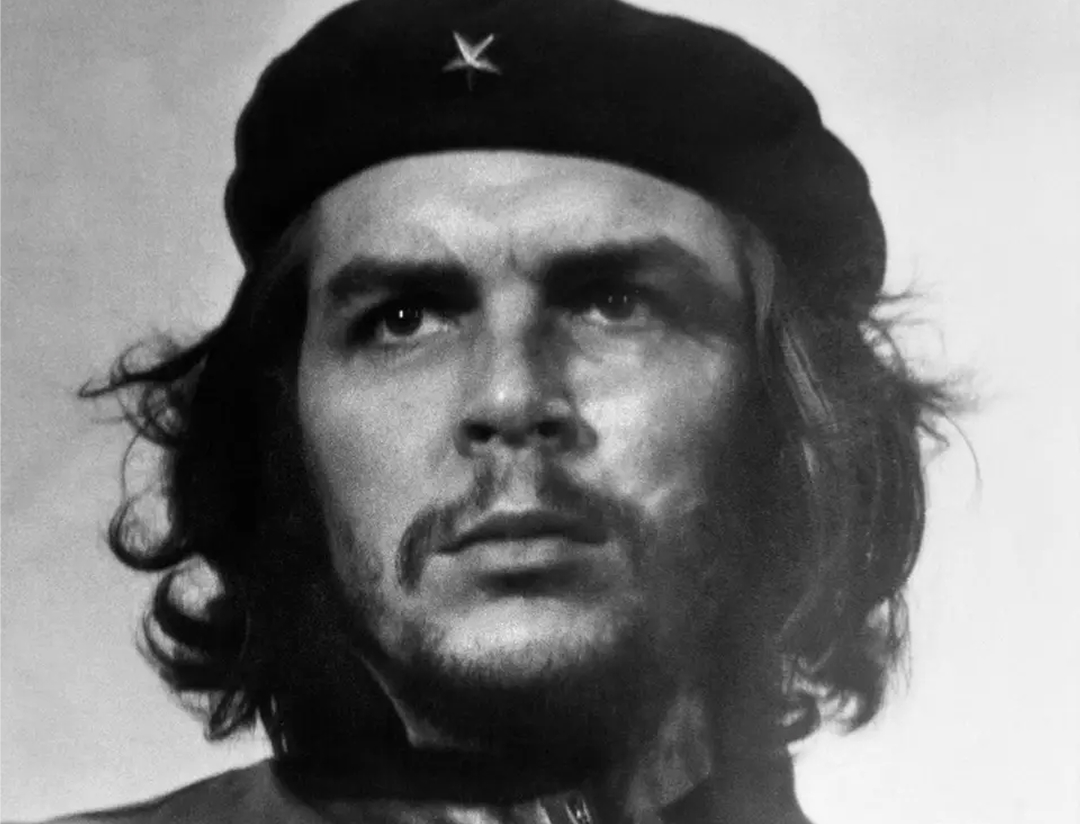 "Heroic Guerrilla Fighter" (1960) — Alberto Korda
A portrait of Che Guevara at a rally in Havana following the explosion of the La Coubre vessel. The photograph became the most reproduced portrait in human history, adorning millions of posters and t-shirts.
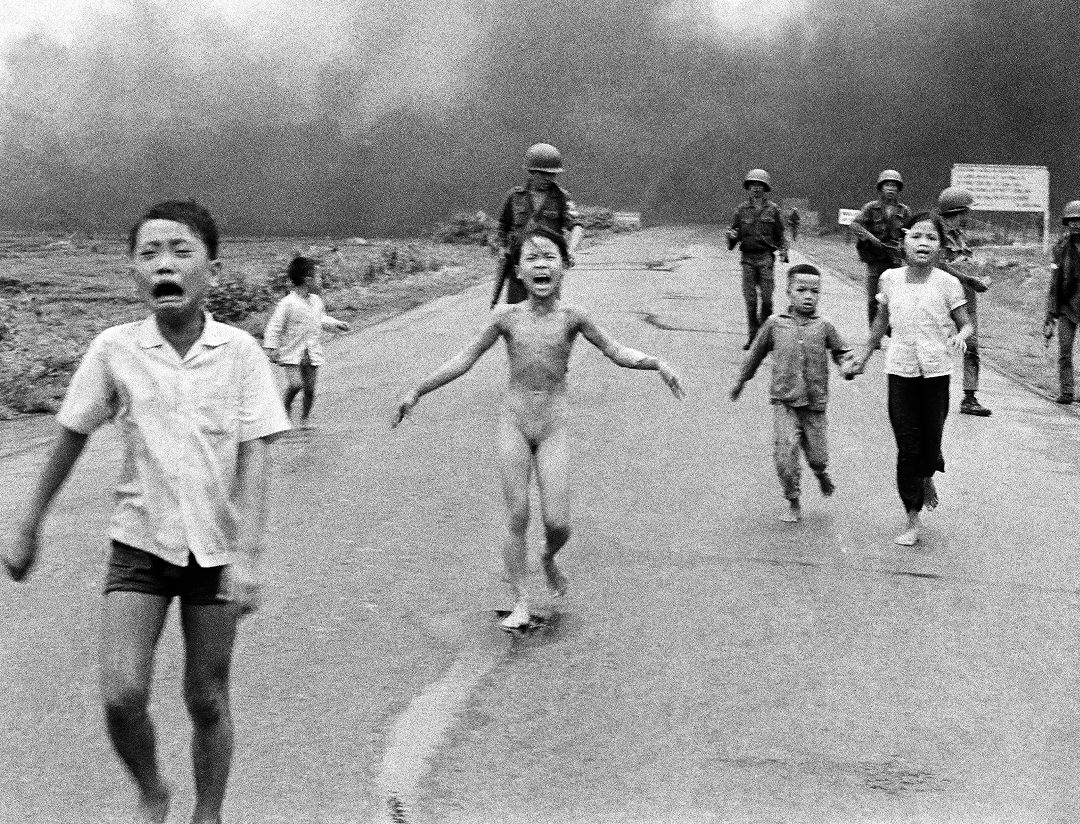 "The Girl in the Picture / Napalm Girl" (1972) — Nick Ut
Nine-year-old Kim Phuc runs naked down a road after a napalm attack during the Vietnam War. The photograph changed American public opinion about the Vietnam War, hastening its end.
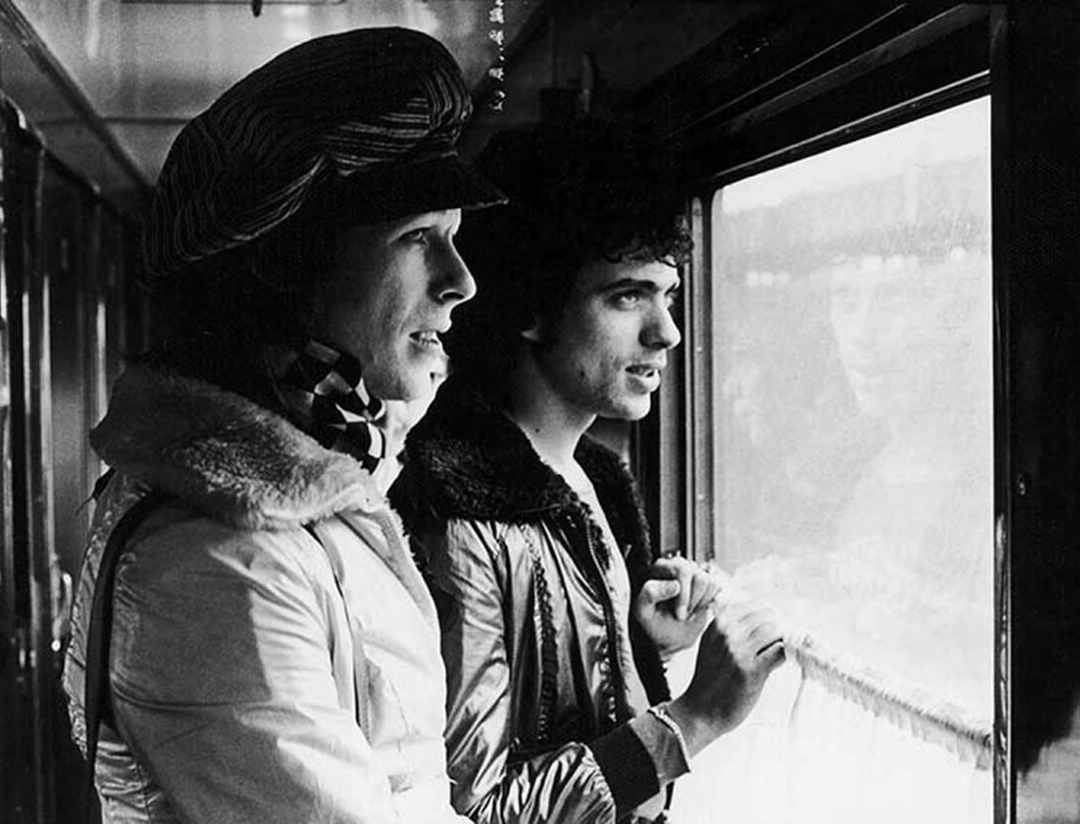 David Bowie on the Trans-Siberian Express (1973) — Geoff MacCormack
David Bowie during his journey through the Soviet Union on a train from Tokyo to London. An iconic series that showed the rock music icon in an unusual, intimate, and cozy setting during the Cold War.
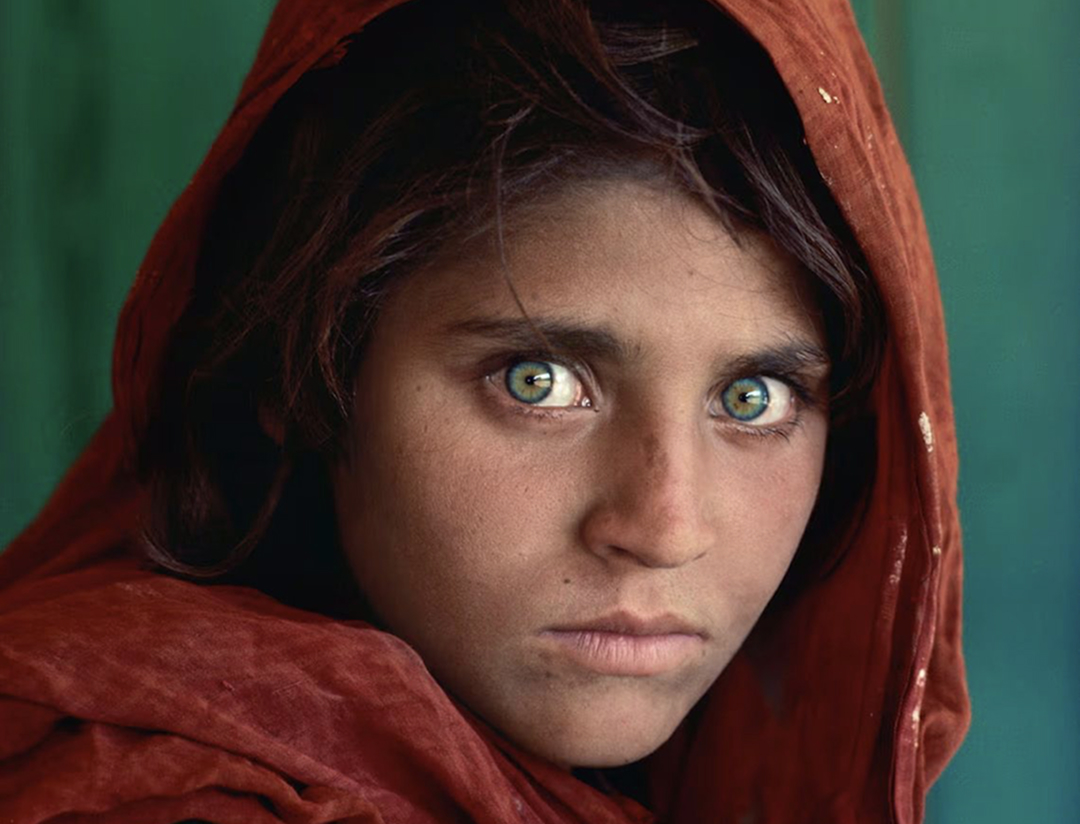 "Afghan Girl" (1984) — Steve McCurry
A portrait of 12-year-old Sharbat Gula in a refugee camp in Pakistan. The green-eyed gaze of the girl became the "Mona Lisa of the Third World" and the most famous National Geographic cover in history.
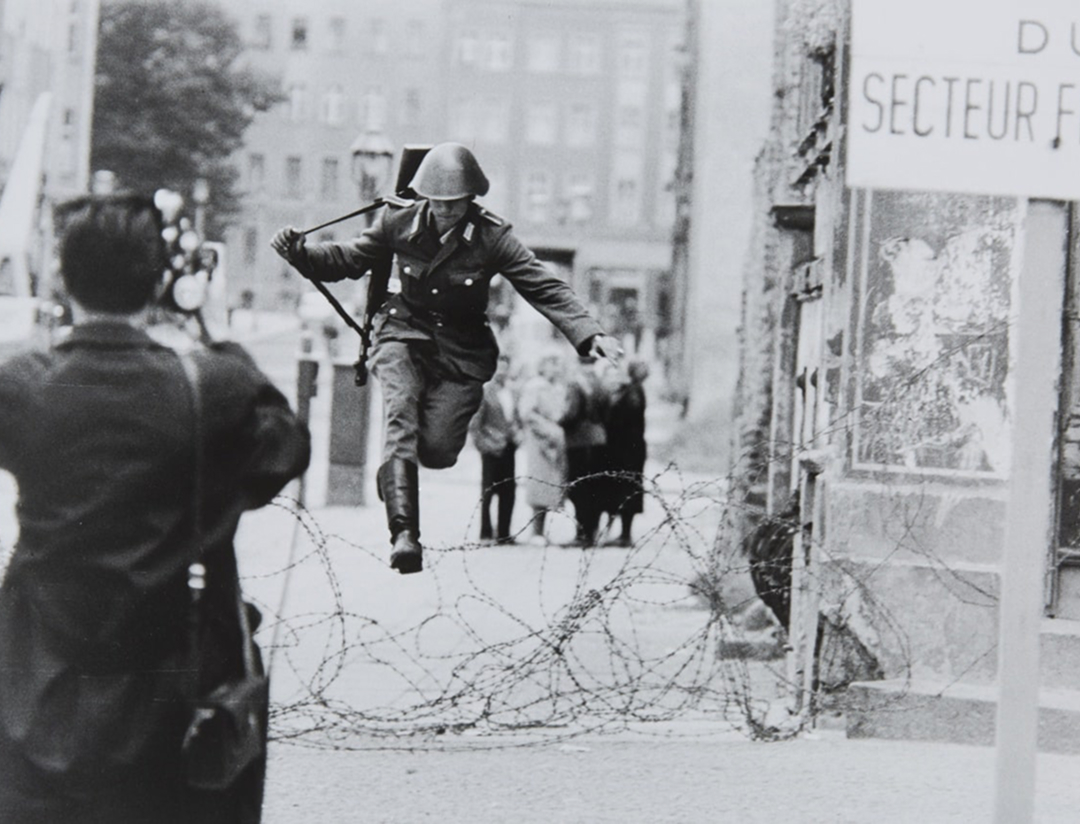 "Leap to Freedom" (1961) — Peter Leibing
19-year-old East German border guard Hans Konrad Schumann jumps over the wire to the western side during the construction of the Berlin Wall. The photograph became the main symbol of the desire for freedom.