

Hasselblad – the camera that photographed the Moon
Hasselblad – the Swedish camera that photographed the Moon
It all started not with photography, but with a trading company in 1841 in Gothenburg. Through generations, a trophy German aerial camera from World War II and a chance handshake with the founder of Kodak — and here is Neil Armstrong holding a Hasselblad on his chest in a spacesuit, capturing the first steps of man on the Moon.
This article presents the complete history of the brand: from the wooden prototype of 1946 to the flagship X2D II with a 100-megapixel sensor. A model that failed commercially (1600F). A camera that critics smashed for its price (Lunar, 2012). And the one that became the cover of Abbey Road.
The Beginning: Trading Company
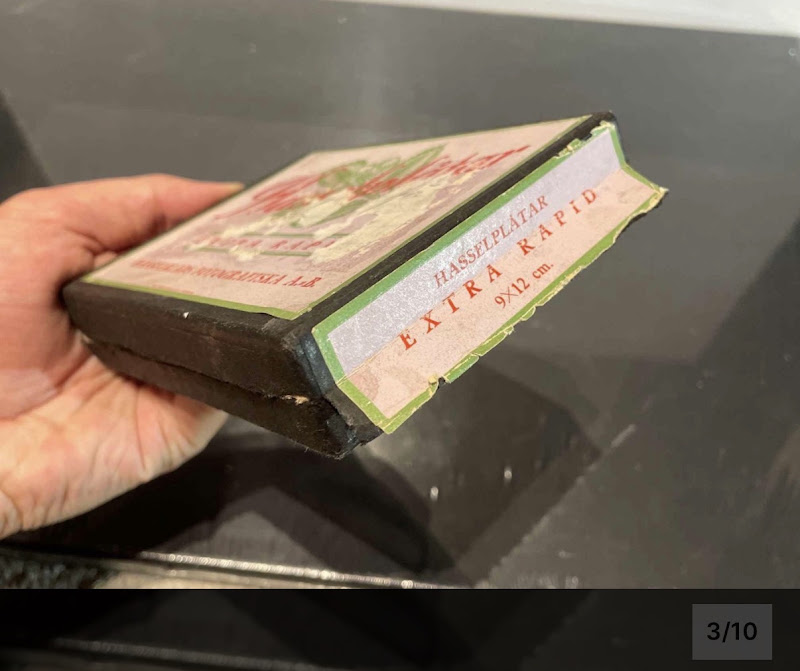
1841, Gothenburg. Fritz Victor Hasselblad founded the trading company F.W. Hasselblad and Co. The photographic direction was initiated by the founder's son, Arvid Victor Hasselblad. During his honeymoon in England, Arvid met George Eastman — the founder of Kodak. An agreement for exclusive representation of Kodak in Sweden was sealed with a handshake.
The Boy Who Loved Birds
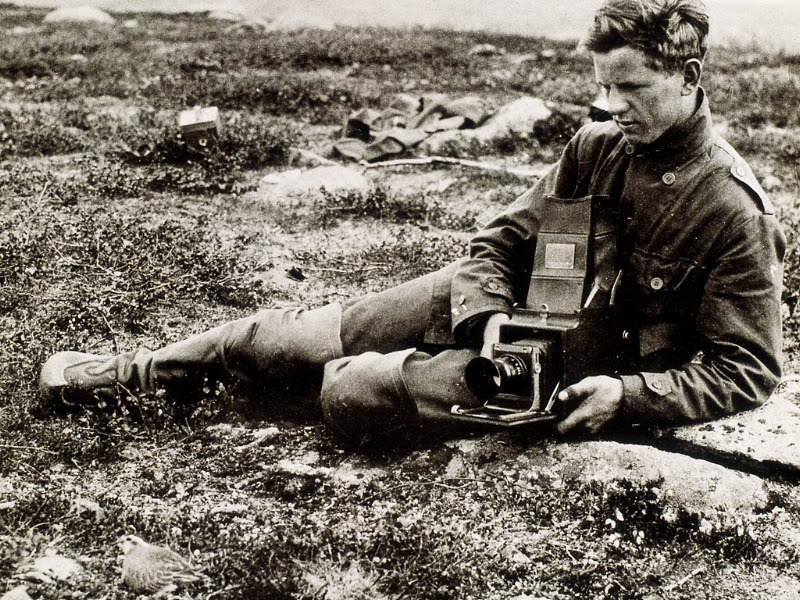
Arvid's son, Victor Hasselblad, is the founder of the camera business. Initially, he was interested not in photography, but in ornithology. His grandfather sent him to study optics in Dresden — then the world center of the camera industry — and Victor spent his free time photographing birds across Europe and even published a book on bird migration (1935).

A Crashed Plane and a Trophy Camera
1940: after Germany's invasion of Denmark and Norway, the Swedish army shot down a reconnaissance plane, which had a surviving German aerial camera on board. The Swedish command turned to Victor — by then a well-known expert photographer — asking him to develop an analogue.
The First Camera from a Garage Workshop
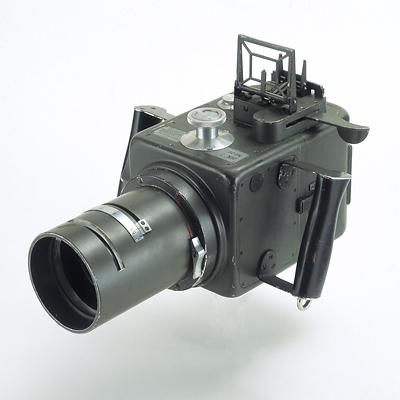
Victor opened a workshop in a car repair shop in central Gothenburg and within a few months, together with a mechanic, disassembled the German camera and designed his first own — the HK 7. Format 7×9 cm, interchangeable lenses from Zeiss and Meyer. Production quickly grew into a factory with 20 workers called Ross Incorporated.
The First Civilian Model
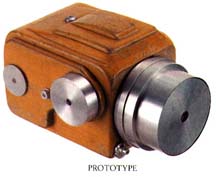
Victor Hasselblad's real goal was always civilian production — a reliable camera for serious photographers. In 1945-1946, the first sketches and wooden models of the future camera appeared under the working title Rossex — the name was formed from "Ross" (the family company's brand) and the ending of the word "reflex". It was designed by Sixten Sason — the same designer who created cars for Saab.

Premiere in New York
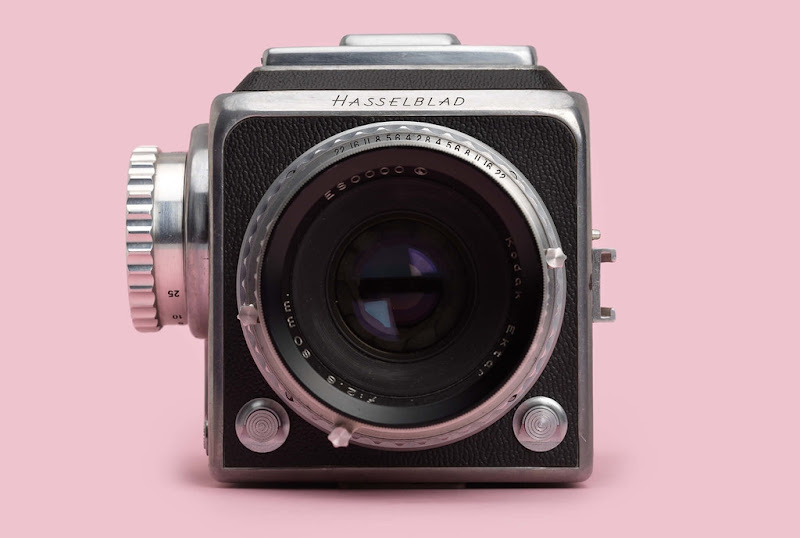
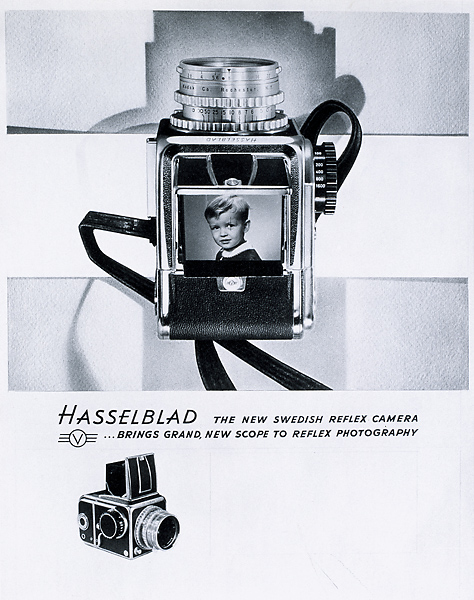
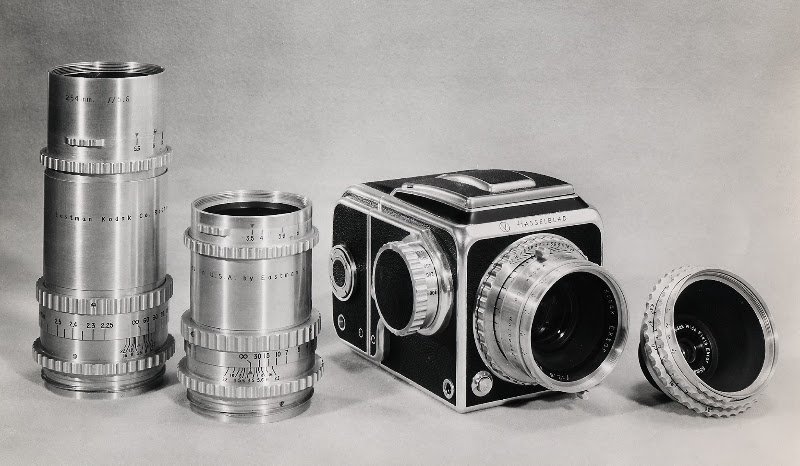
On October 6, 1948, at a press conference in New York, the Hasselblad 1600F was presented — a 6×6 mirror camera with interchangeable lenses and magazines, shutter speed of 1/1600s. Critics were thrilled, although the first copies turned out to be not very durable under mechanical loads.
Endurance Test
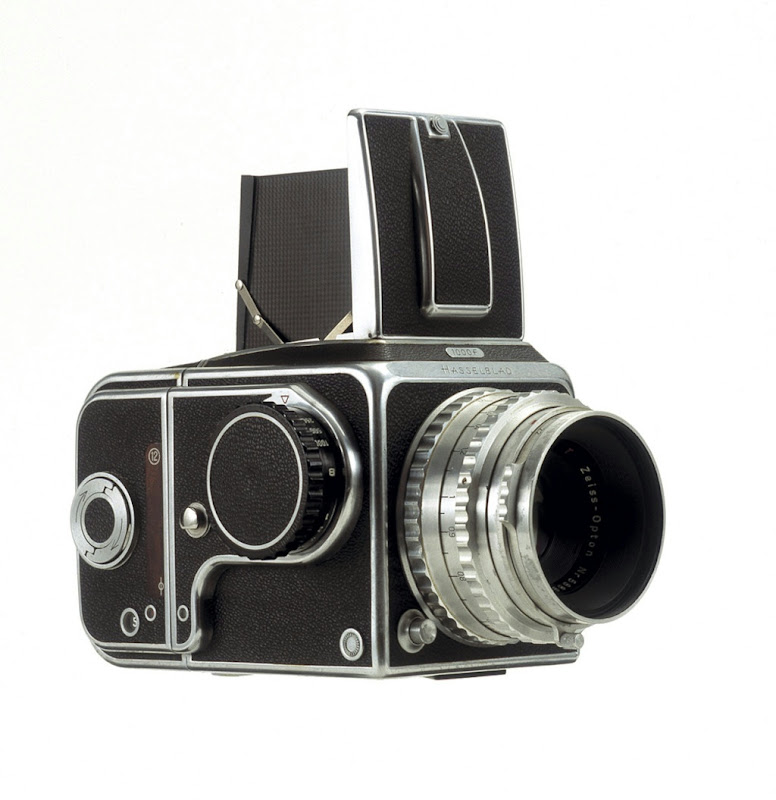
The next model, 1000F (1952), underwent testing by Modern Photography magazine: the editorial team shot over 500 rolls of film and even deliberately dropped the camera on the floor. The mechanisms did not fail — the reputation of Hasselblad's reliability began with this test.

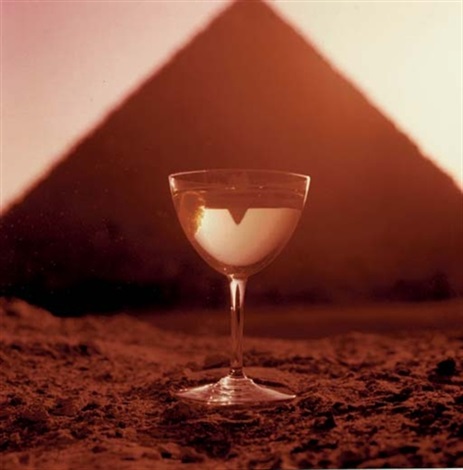
Below in the image is one of the most famous works in the field of classic advertising and still life photography:
Title: Martini Glass and Pyramid (Advertising campaign for Smirnoff Vodka)
Year: 1955
Author: Bert Stern
 Base for 56 Years Ahead
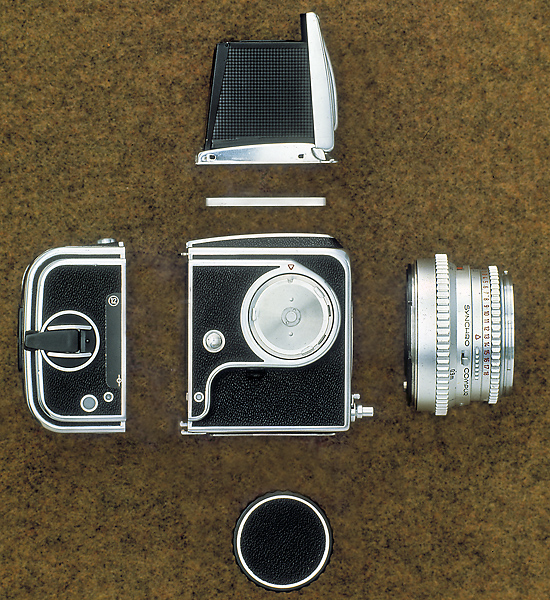
1957 — the 500C model laid the modular design (central shutter in the lens, interchangeable backs), which remained the foundation of Hasselblad cameras for the next four decades. This is 56 years of continuous production of one design principle.
 • Douglas Kirkland, Audrey Hepburn in space-age helmet, 1966, Hasselblad
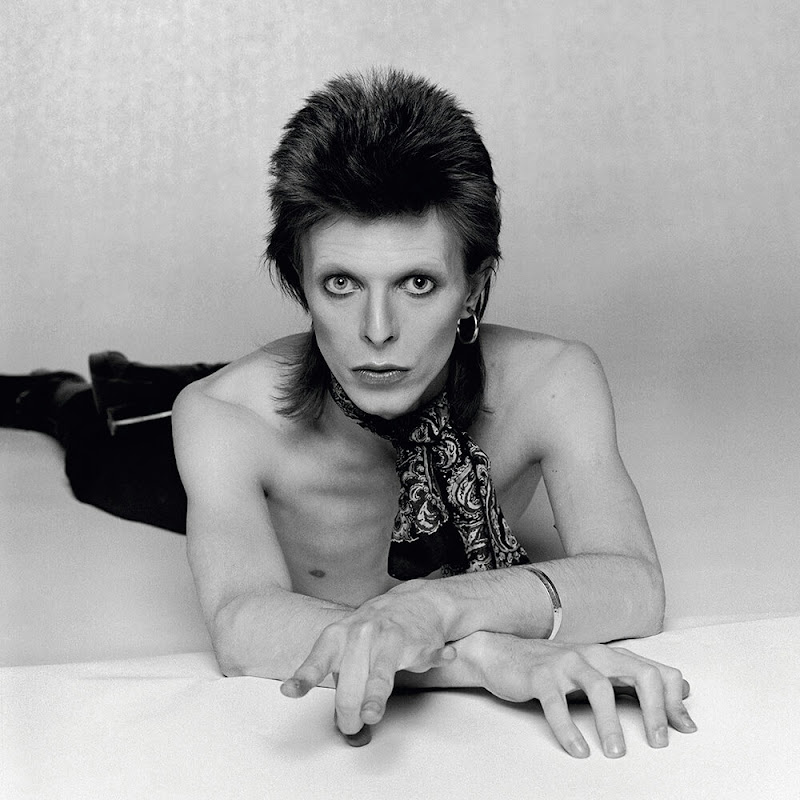 Mike Rock, David Bowie (Ziggy Stardust / Aladdin Sane Session), 1973, Hasselblad
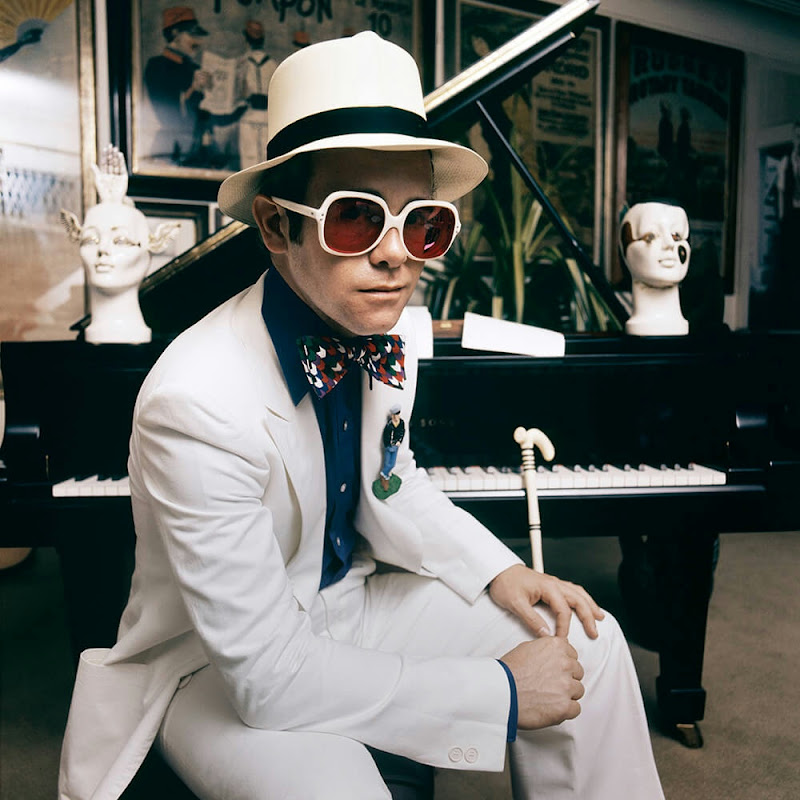 • Terry O'Neill, Elton John at His Beverly Hills Home, 1974, Hasselblad
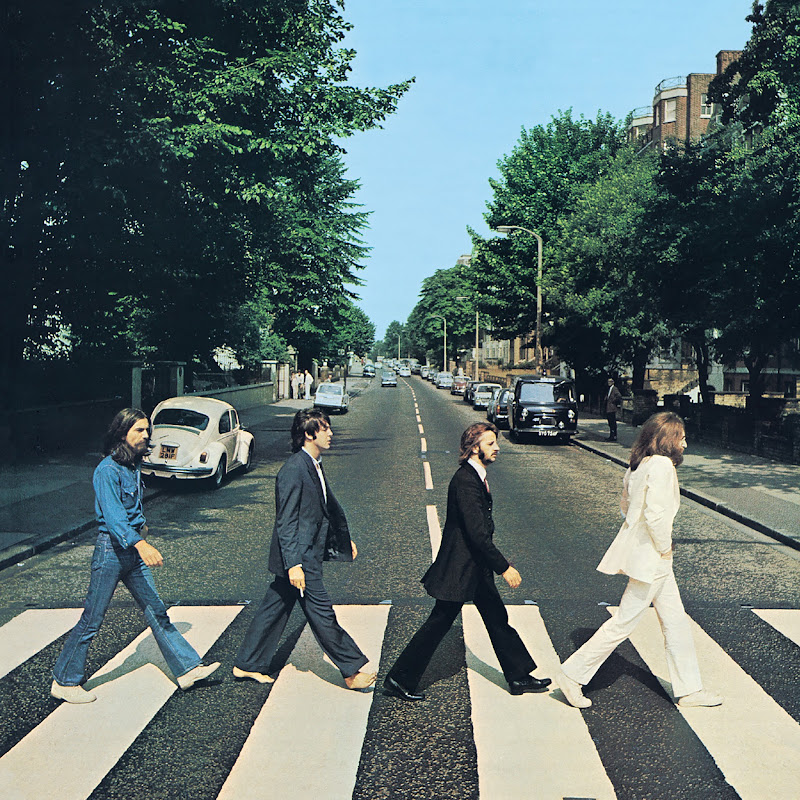 • Ian Macmillan, The Beatles, Abbey Road, 1969, Hasselblad
 • Douglas Kirkland, Marilyn Monroe in Bed (An Evening with Marilyn Monroe), 1961, Hasselblad
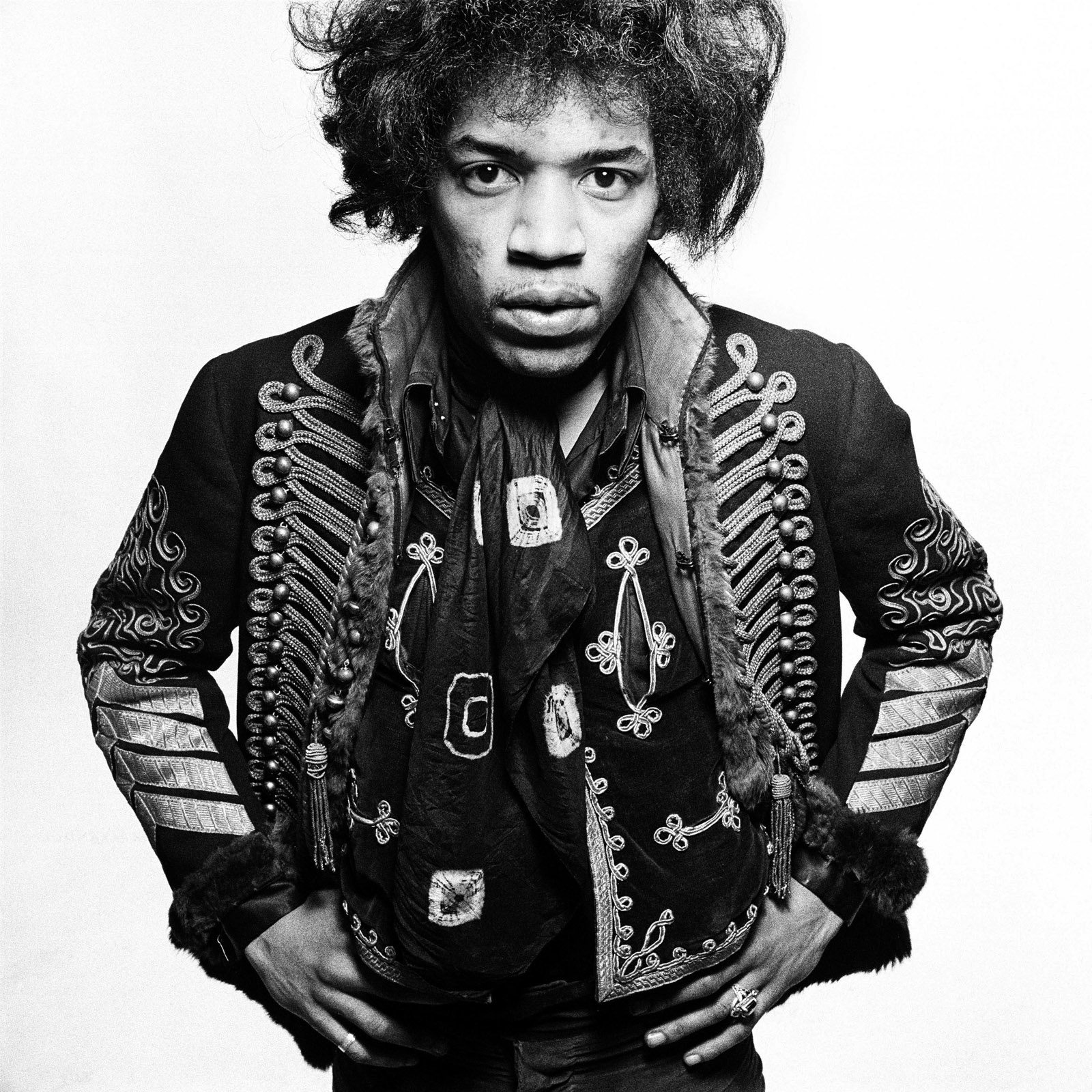 • Jared Mankowitz, Jimi Hendrix in Hussar Jacket, 1967, Hasselblad
NASA's Choice
1962: the brand's reputation became a decisive factor when NASA chose a camera for space missions.
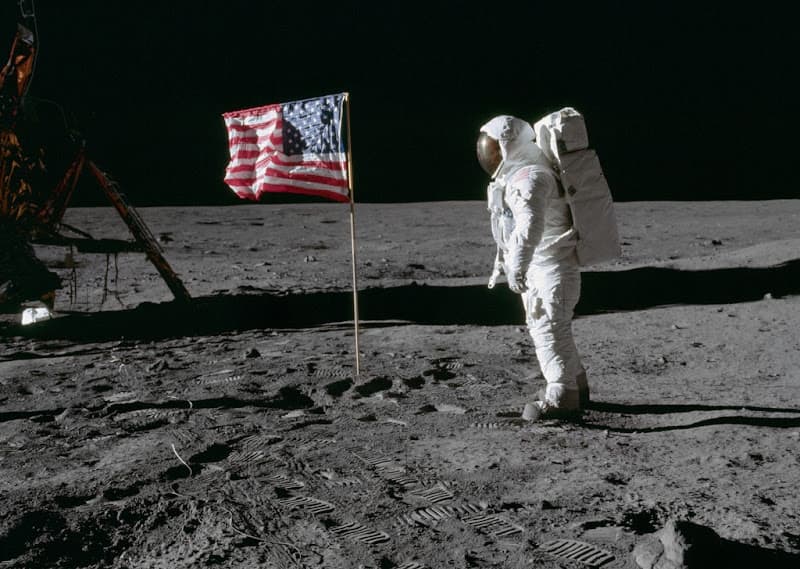
1969, Apollo 11 mission: Neil Armstrong captured the first steps of man on the Moon with this motorized 500EL/70, secured to the chest of his spacesuit.
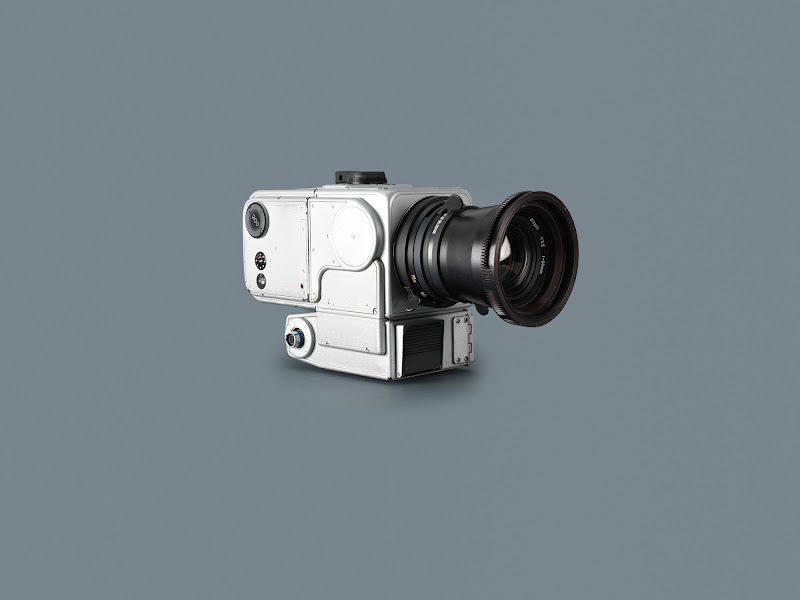
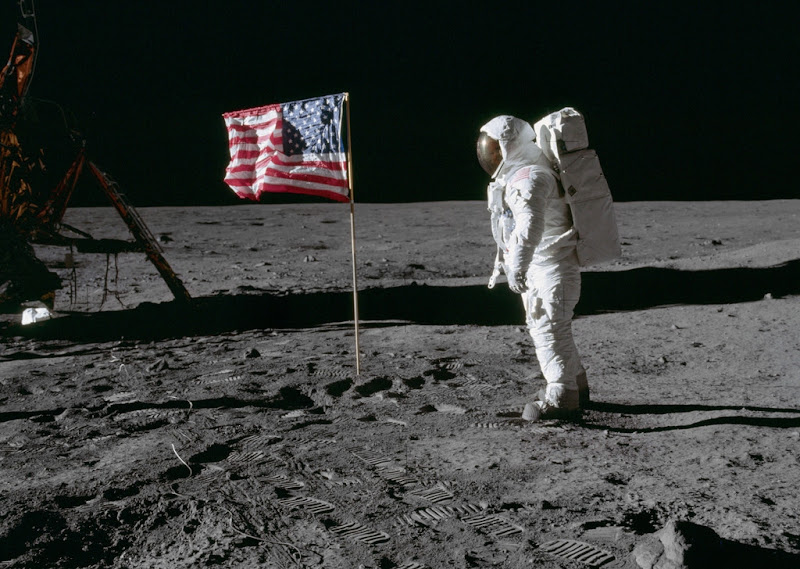 • Neil Armstrong, Buzz Aldrin and the U.S. Flag on the Moon (Apollo 11), 1969, Hasselblad
 • Neil Armstrong, Buzz Aldrin on the Moon (Apollo 11), 1969, Hasselblad
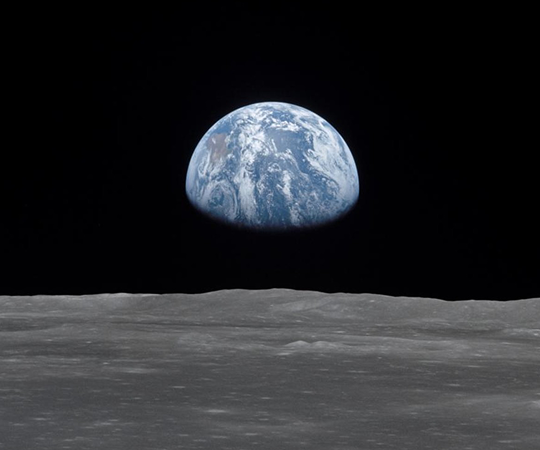 • William Anders, Earthrise (Apollo 8), 1968, Hasselblad
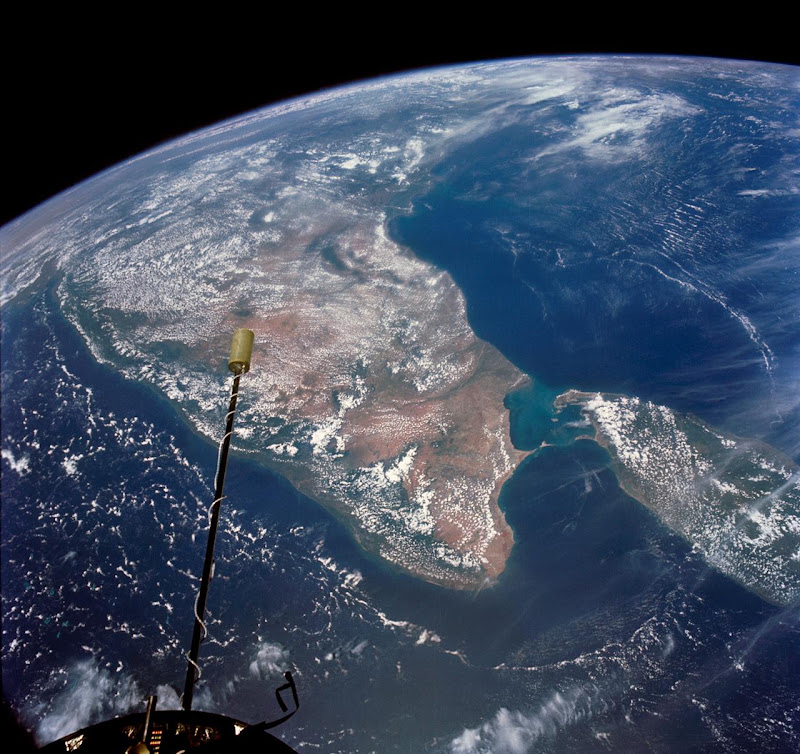 • Apollo 17 Crew / NASA, Earth view from Apollo 17 (The Blue Marble / Africa view), 1972, Hasselblad
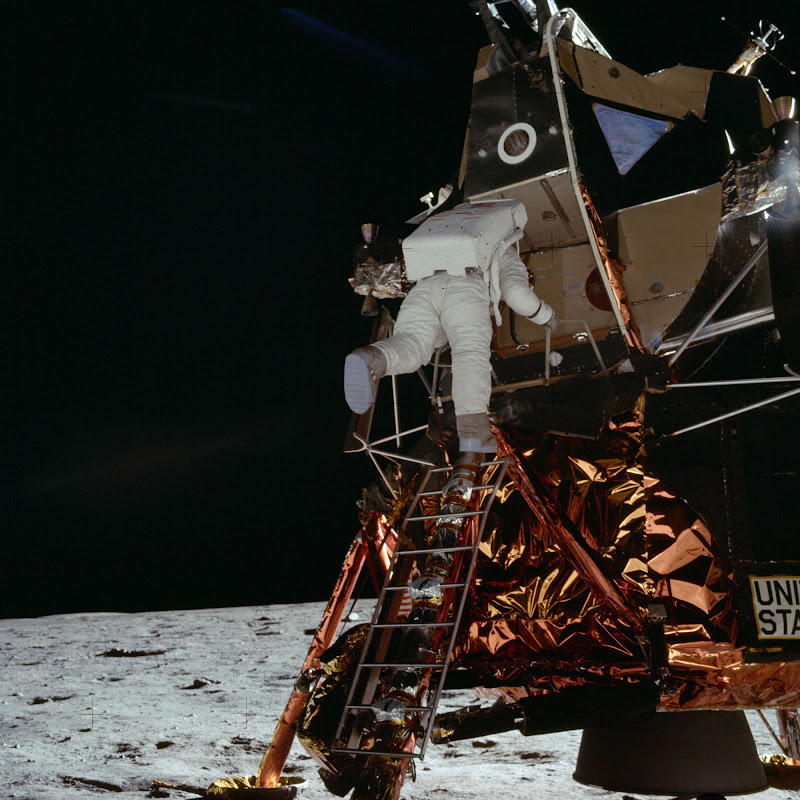 • Neil Armstrong, Buzz Aldrin Descending the Lunar Module Ladder (Apollo 11), 1969, Hasselblad
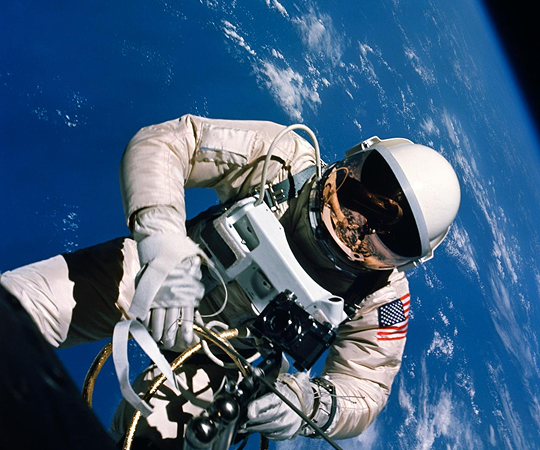 • James McDivitt, Ed White's First American Spacewalk (Gemini 4), 1965, Hasselblad
Panoramic Experiment
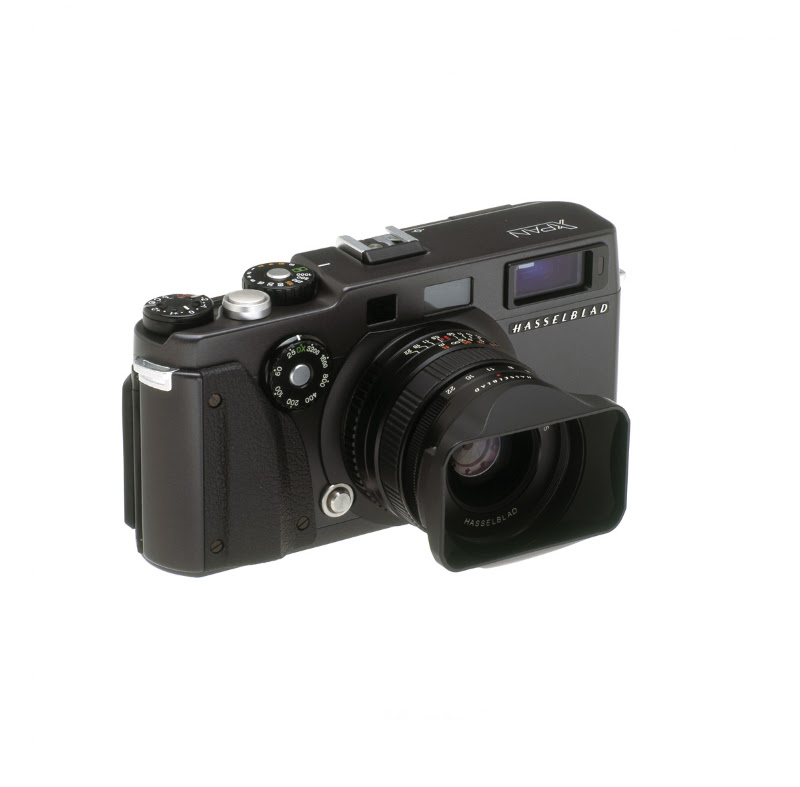
1998 — in collaboration with Fuji, they created the Hasselblad XPan: a camera for standard 35mm film that captured panoramic frames in medium format with a one-button format switch. Production ended in 2006, and since then the camera has only increased in value on the secondary market.
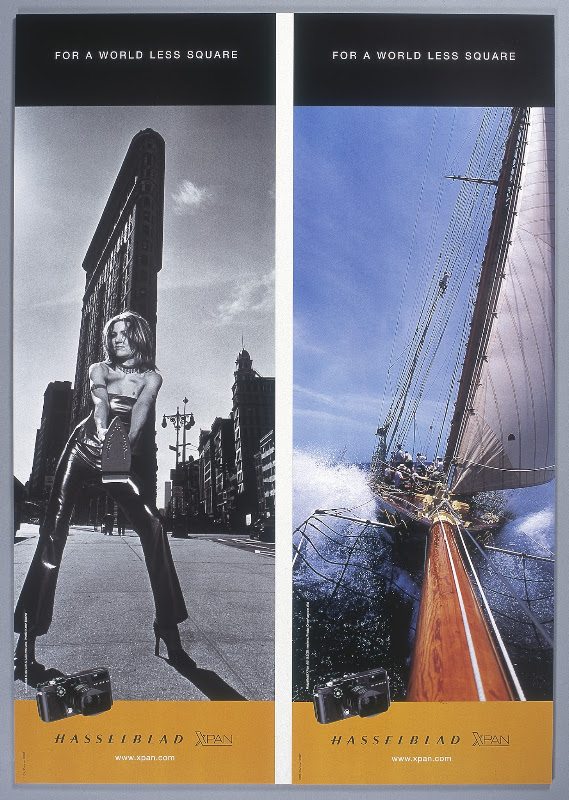 • Anthony Negretto, Woman with Iron in front of Flatiron Building (Hasselblad XPan Advertisement), 1998, Hasselblad XPan (left)
• Per-Olof Ekström, Sailing Boat on Open Sea (Hasselblad XPan Advertisement), 1998, Hasselblad XPan (right)
Lunar: the Brand's Biggest Reputation Mistake
2012 — the partnership with Sony produced the Hasselblad Lunar: a mirrorless camera based on the Sony NEX with an APS-C sensor and E-mount. The industry's reaction was harsh: the camera was called "a dressed-up NEX-7 at $5000 luxury."

X1D: Revolution
2016 — the Hasselblad X1D, the world's first mirrorless medium format camera. The compact body changed the perception of what medium format could be — not a heavy studio system, but a camera you take with you. Technically, it was a completely new approach: a 50-megapixel sensor, 14 stops of dynamic range.
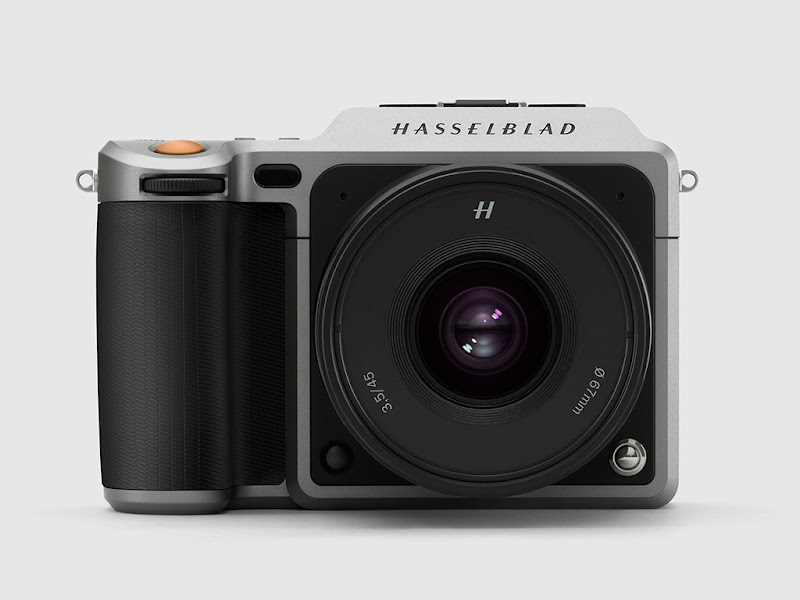
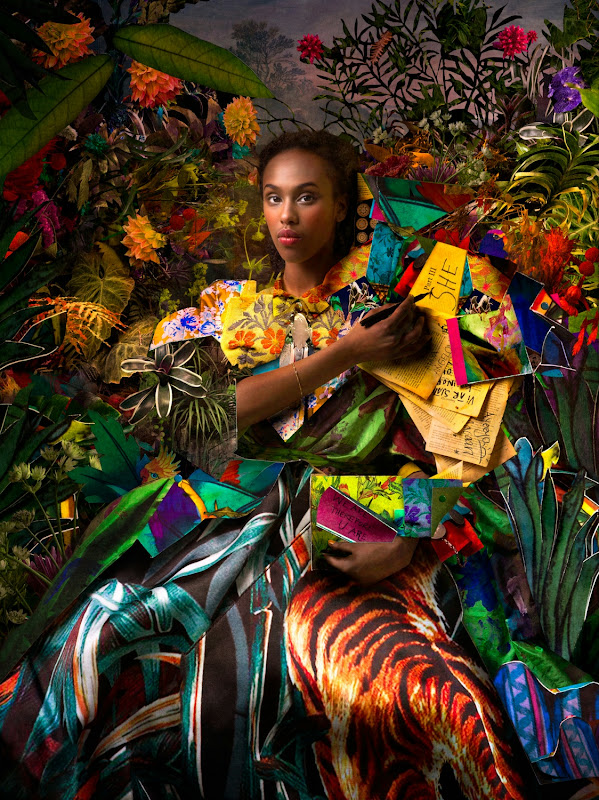 • Cooper and Gorfer, Between These Folded Walls, Utopia, 2020, Hasselblad
 • Philip Montgomery, Steam Pipe Explosion, New York City, 2018, Hasselblad
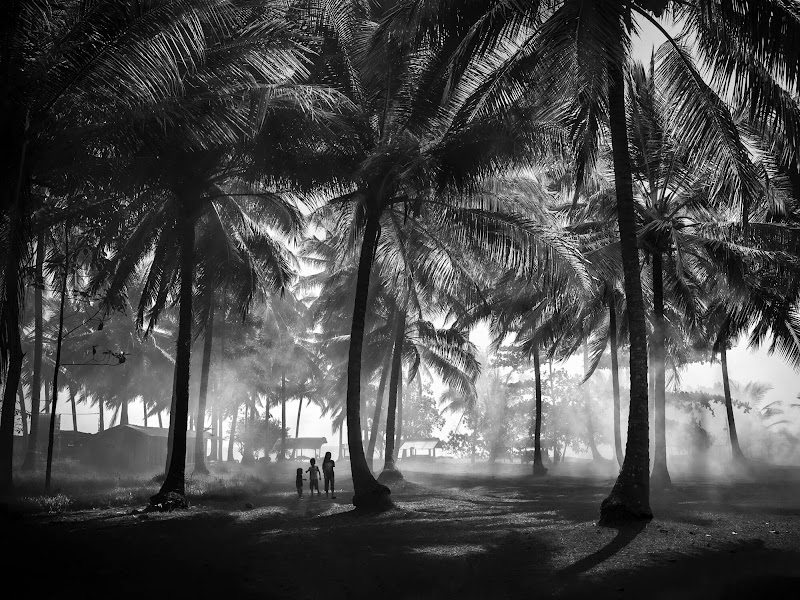 • Sebastião Salgado, Mentawai Islands, Sumatra, Indonesia (Genesis series), 2008, Hasselblad
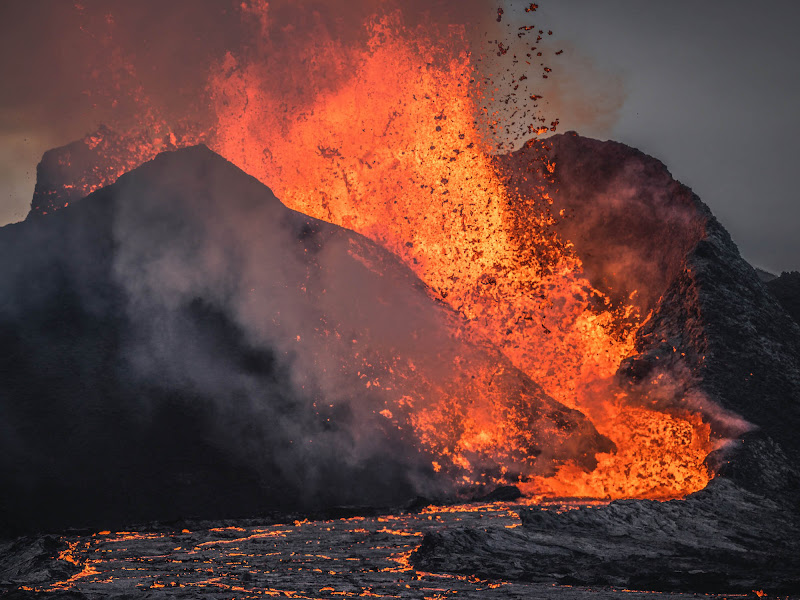 • Ragnar Axelsson, Fagradalsfjall Eruption, Iceland, 2021, Hasselblad
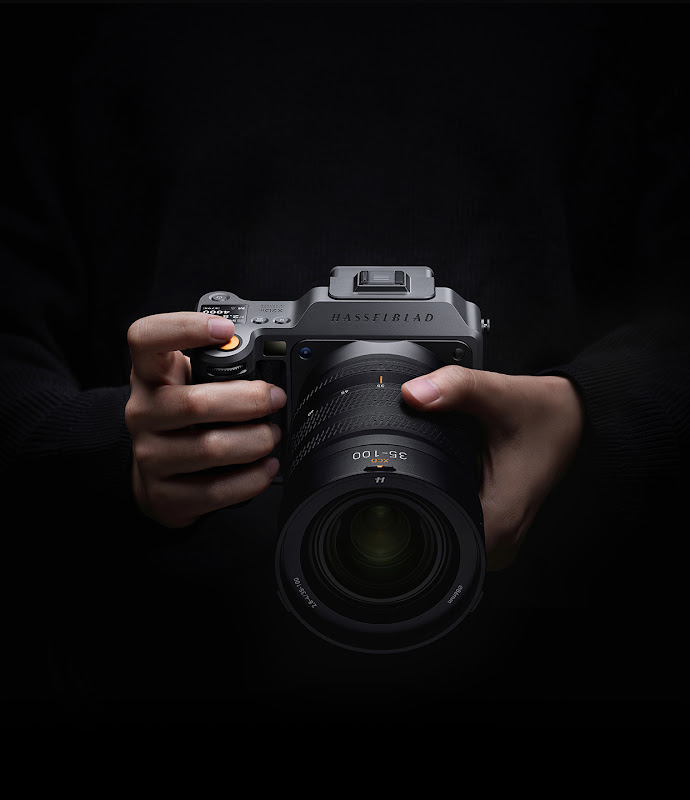
X2D II 100C (2026) — the flagship that finally removed compromises
The sensor — a 100-megapixel BSI CMOS with 16-bit color depth, providing about 281 trillion shades. Native ISO starts at 50, dynamic range — 15.3 stops: this is a level of detail in shadows and highlights unattainable for full-frame systems. Built-in 1TB SSD, 10 stops of stabilization, autofocus across the entire frame for the first time in the brand's history.
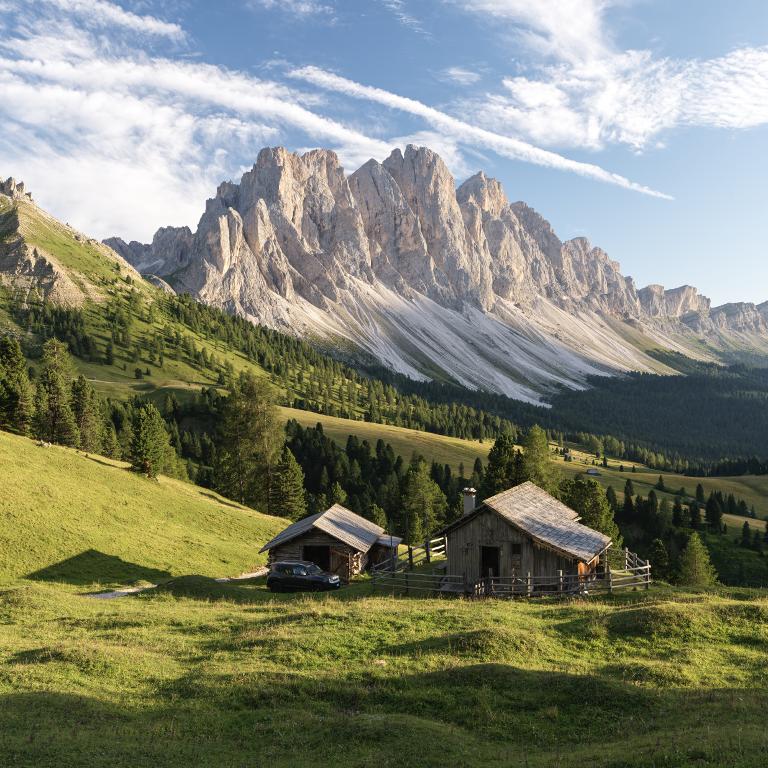 • Luca Locatelli, Dolomites, South Tyrol, Italy, 2020, Hasselblad
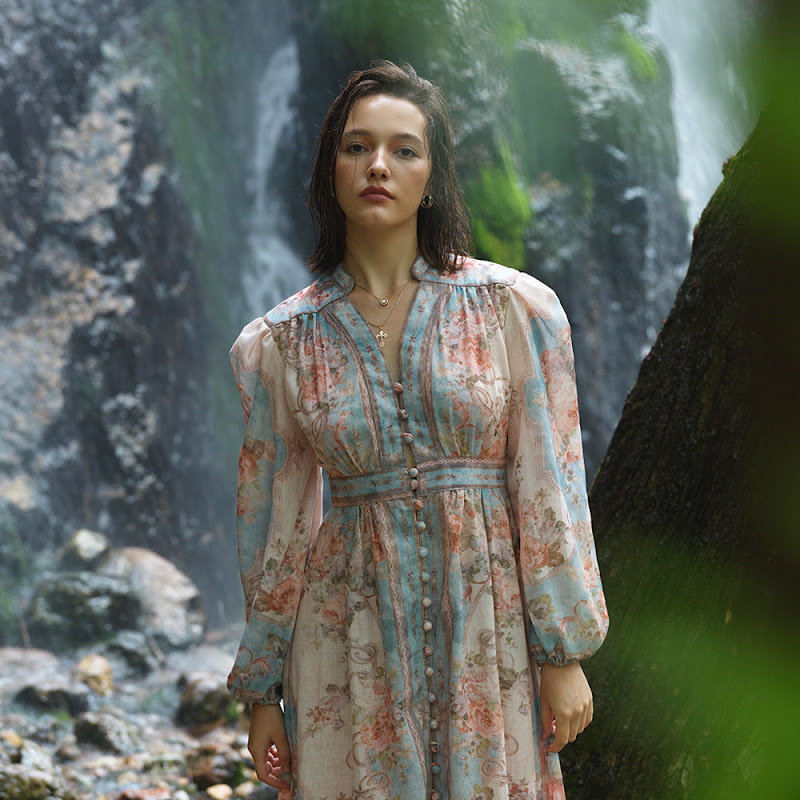 • Tom Oldham, Woman by Waterfall (Hasselblad Heroines series), 2021, Hasselblad
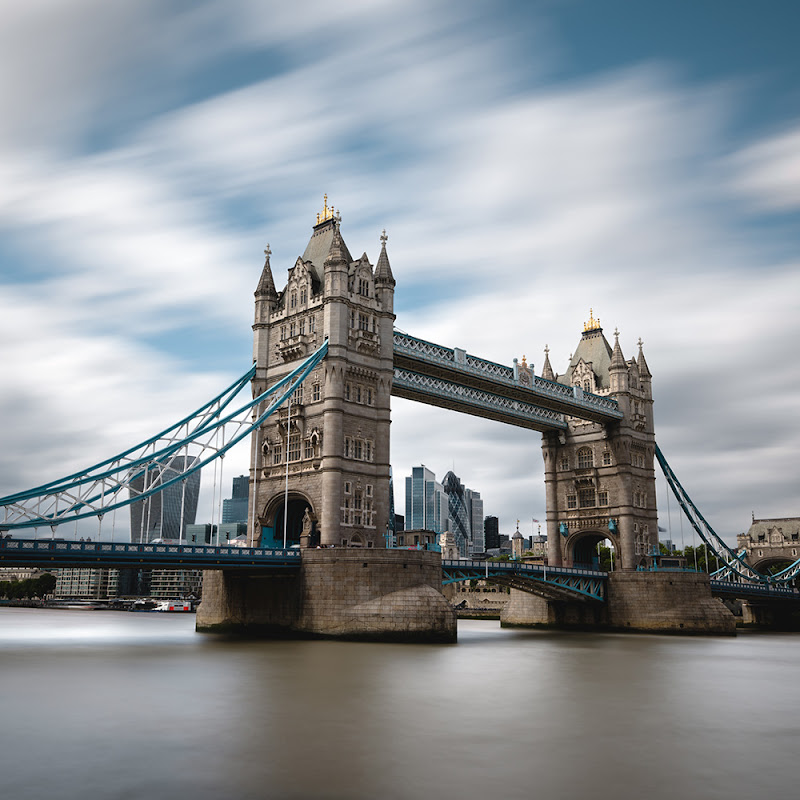 • Ben Thomas, Tower Bridge, London, 2017, Hasselblad
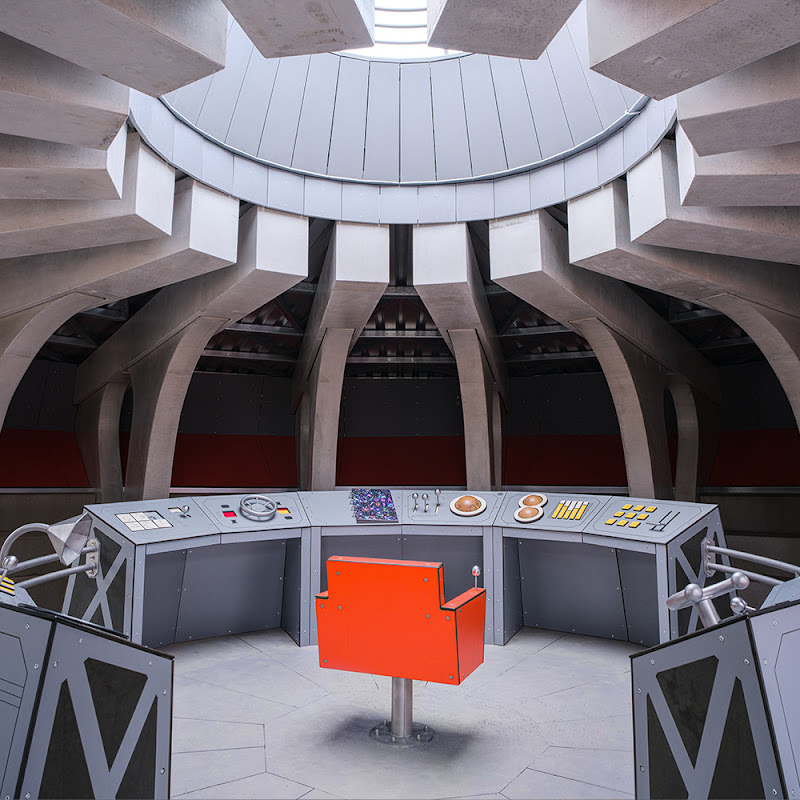 • Maria Svarbova, Futuristic Interior Architecture (Space / Retro Series), 2019, Hasselblad
Why Photographers Value It
→ Hasselblad's color science is considered benchmark
→ The physical size of the sensor = depth and volume of the image that cannot be replicated on full-frame
→ Minimalism in the interface — the camera does not interfere with seeing the frame
→ A status tool: brand culture, not just technical specifications
Who Today Shoots with Hasselblad
Commercial photography, fashion campaigns, fine art prints, architecture, landscape — where 100 megapixels and every pixel of color matter for large format printing. For example, Tyler Shields, dubbed "Hollywood's favorite photographer," shoots star campaigns on the H6D-100c precisely for the quality that withstands large format printing without losing detail. For archival fine-art photography, studios like Cultural Preservation Technologies aim for the FADGI 4-star standard — the gold standard for museum digitization of artworks.