

Color Photography. 100 Years from Experiment to Recognition
Coloring Photographs
Photography was born in 1839. And immediately hit a wall: they learned to capture light, but not color.
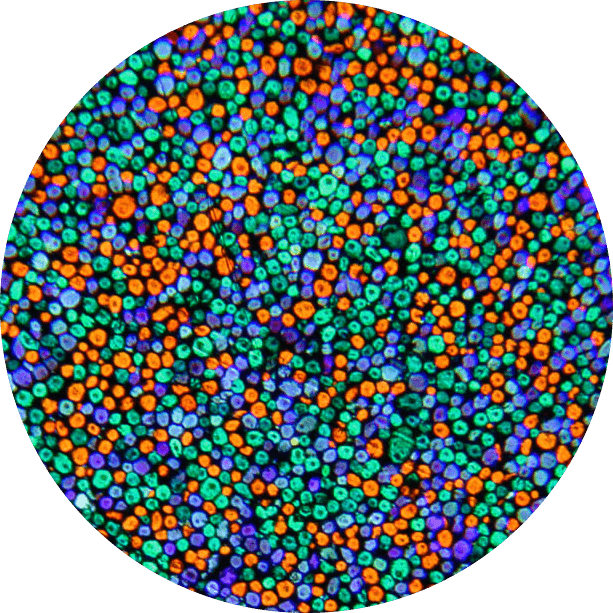
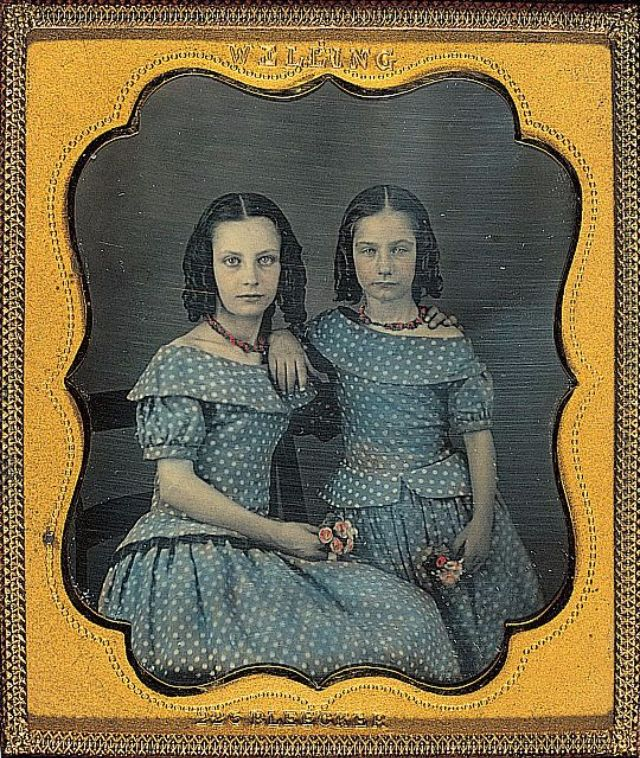
For the first few decades, photographers and artists closed this gap manually — hand-coloring black and white images with a brush, imitating what the camera couldn't capture on its own.
1861 - Proof of Principle
Scottish physicist James Clerk Maxwell proved: any color consists of red, green, and blue. He photographed a tartan ribbon three times — through three filters — and composed the first color image. It was a proof, not a tool.

First Failed Attempts
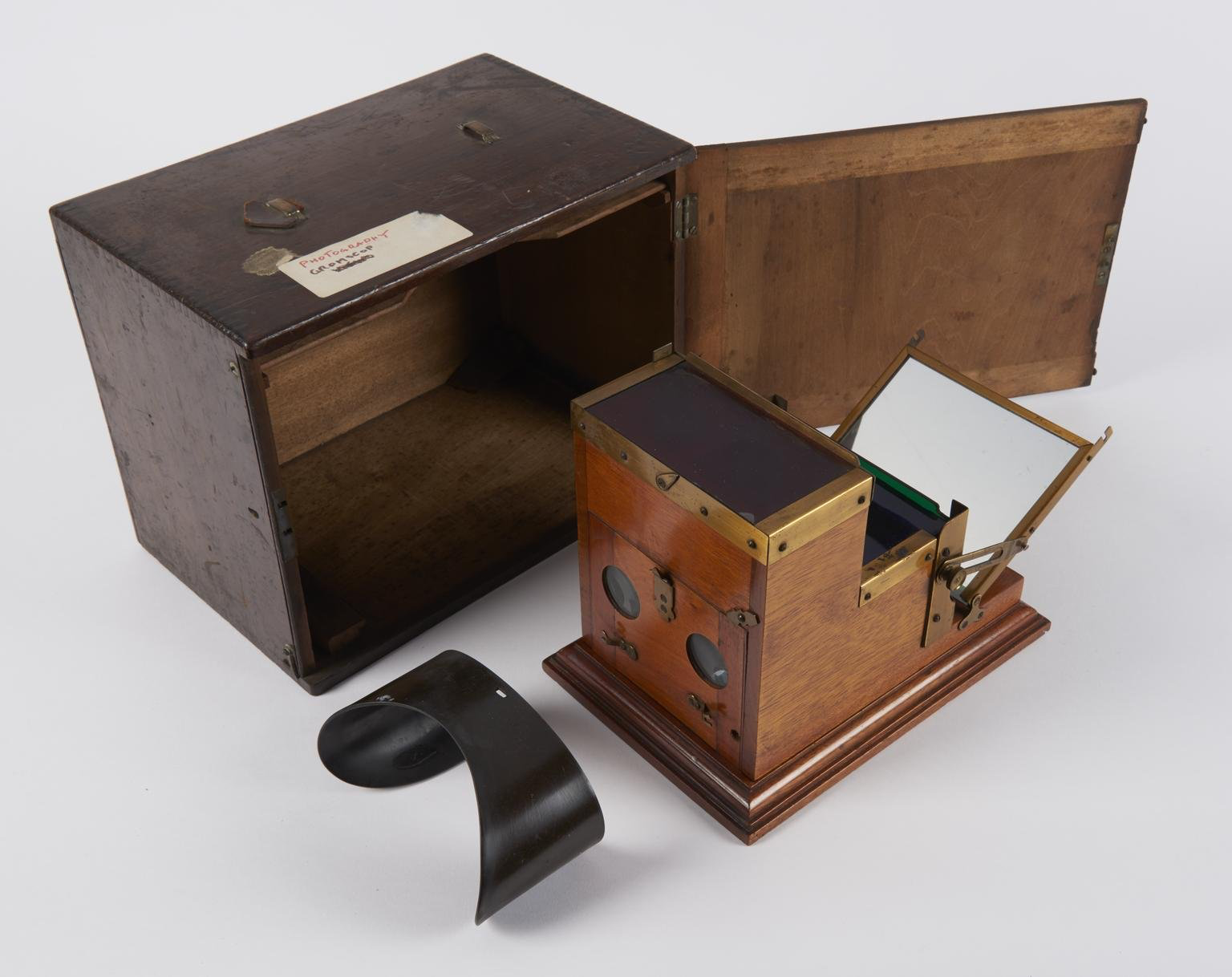
1890s: Kromogram — Ives photographed three negatives through color filters and displayed them in a special viewer — the Kromskop, where mirrors combined the images. Impressive. It cost a fortune and only worked under laboratory conditions.
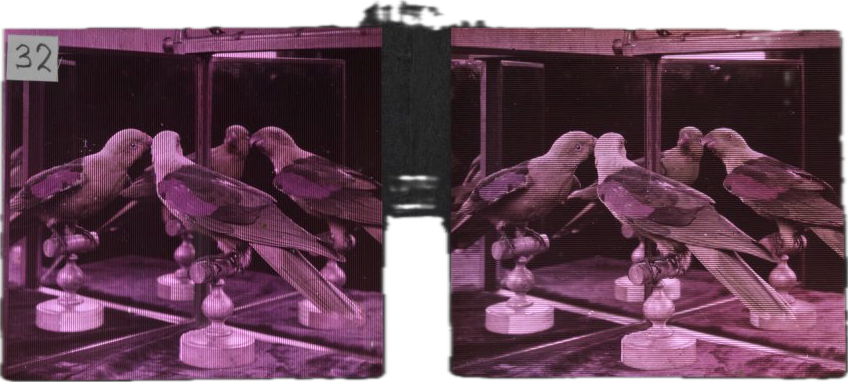
In 1894, John Joly created instead of three separate images — one plate covered with the thinnest lines of three colors, less than 0.1 mm wide. One such filter-screen was placed in front of the plate during shooting; after development, it was combined with another identical screen. The idea was simpler than Kromogram — but the plates of that time poorly captured the color spectrum, and the result was disappointing.
1907 - Autochrome by the Lumière Brothers
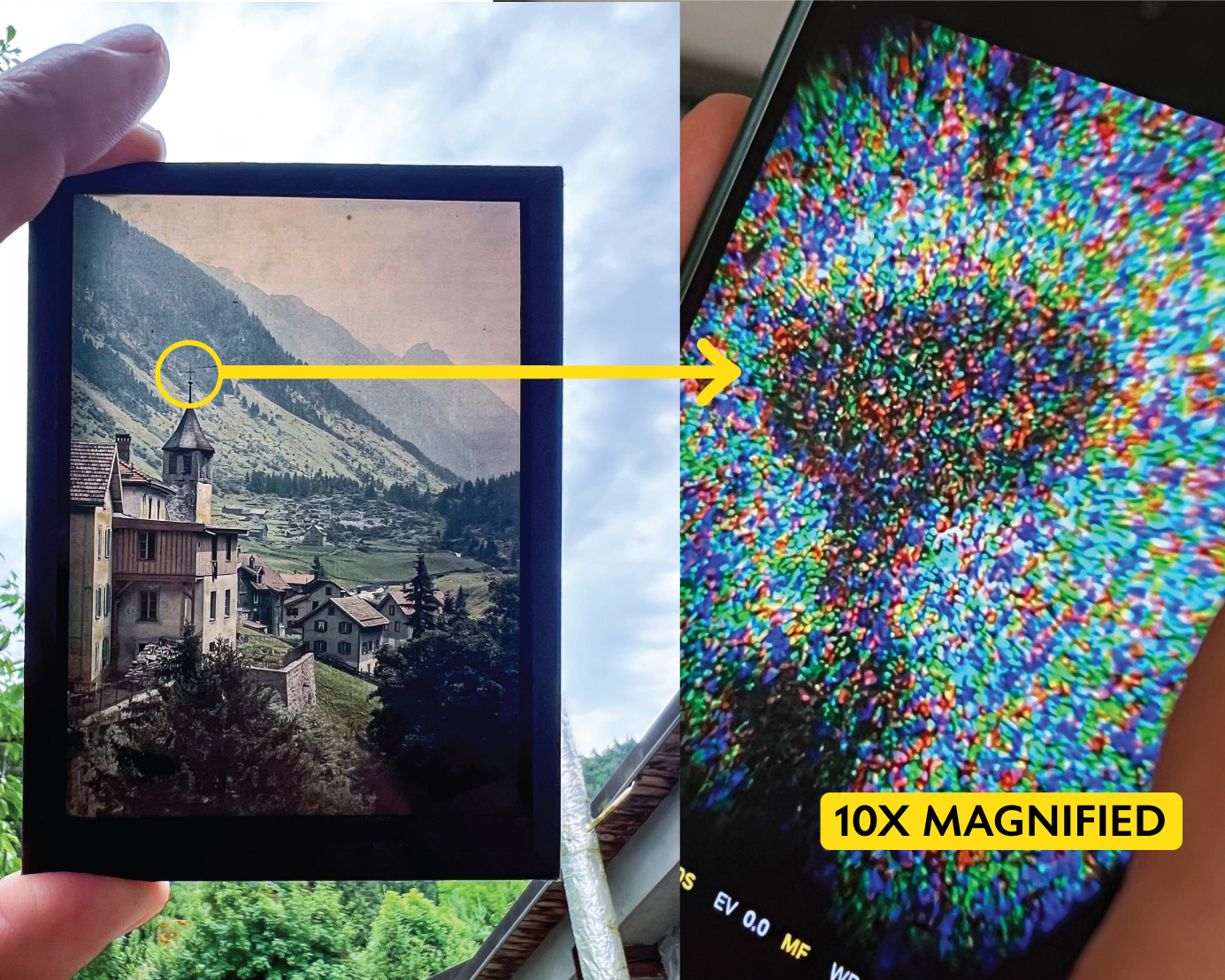
The Lumière brothers experimented with color from the 1890s — they published their first article on the subject in 1895, the same year they invented the Cinématographe. The commercial presentation of the plates took place in 1907. A glass plate with millions of grains of potato starch — red, green, blue. The first way a color photo could be taken by a photographer, not a scientist. It cost as much as several black and white photographs, exposure time — seconds.
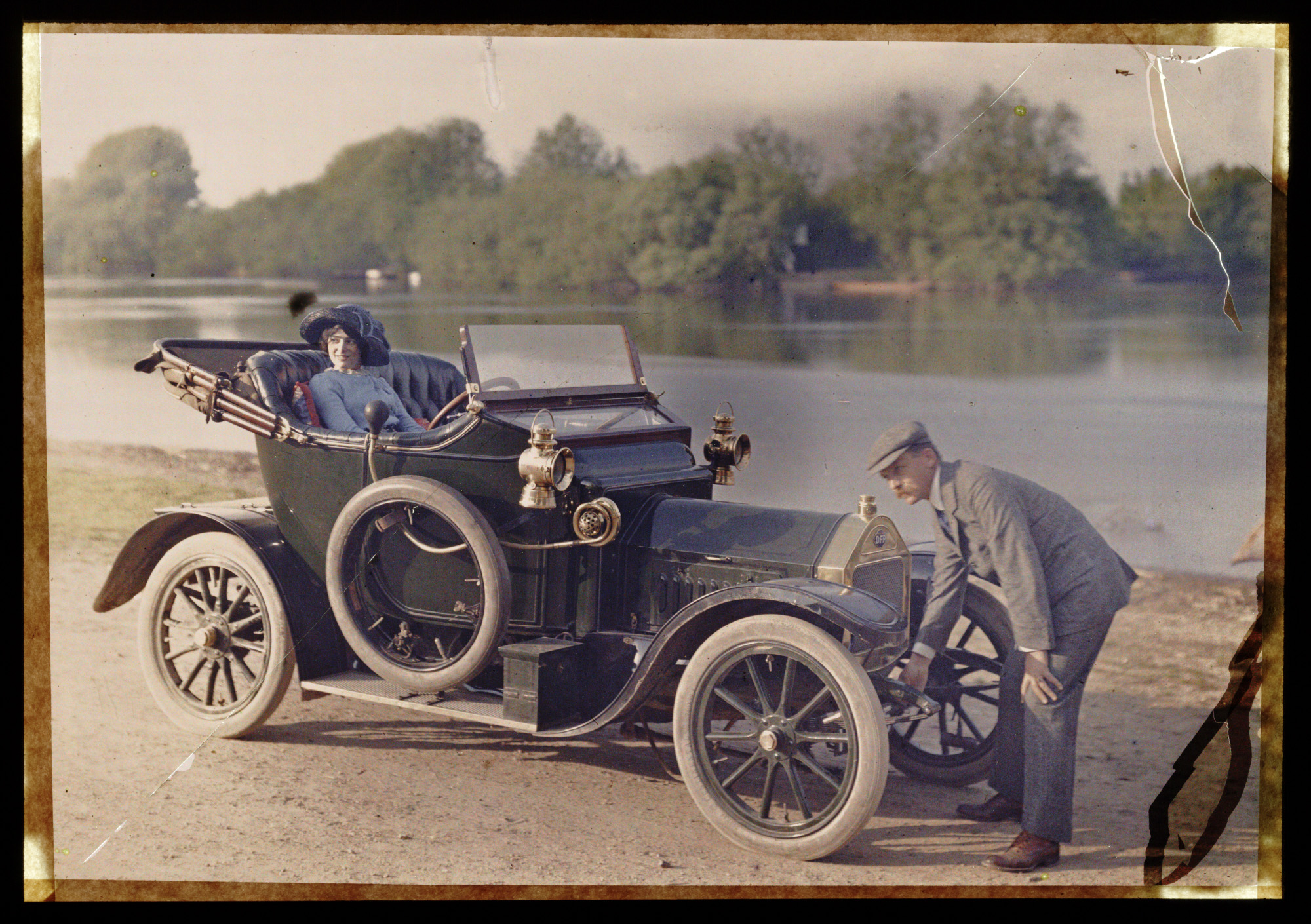 Anonymous, "Couple with an Automobile," ca. 1910, autochrome
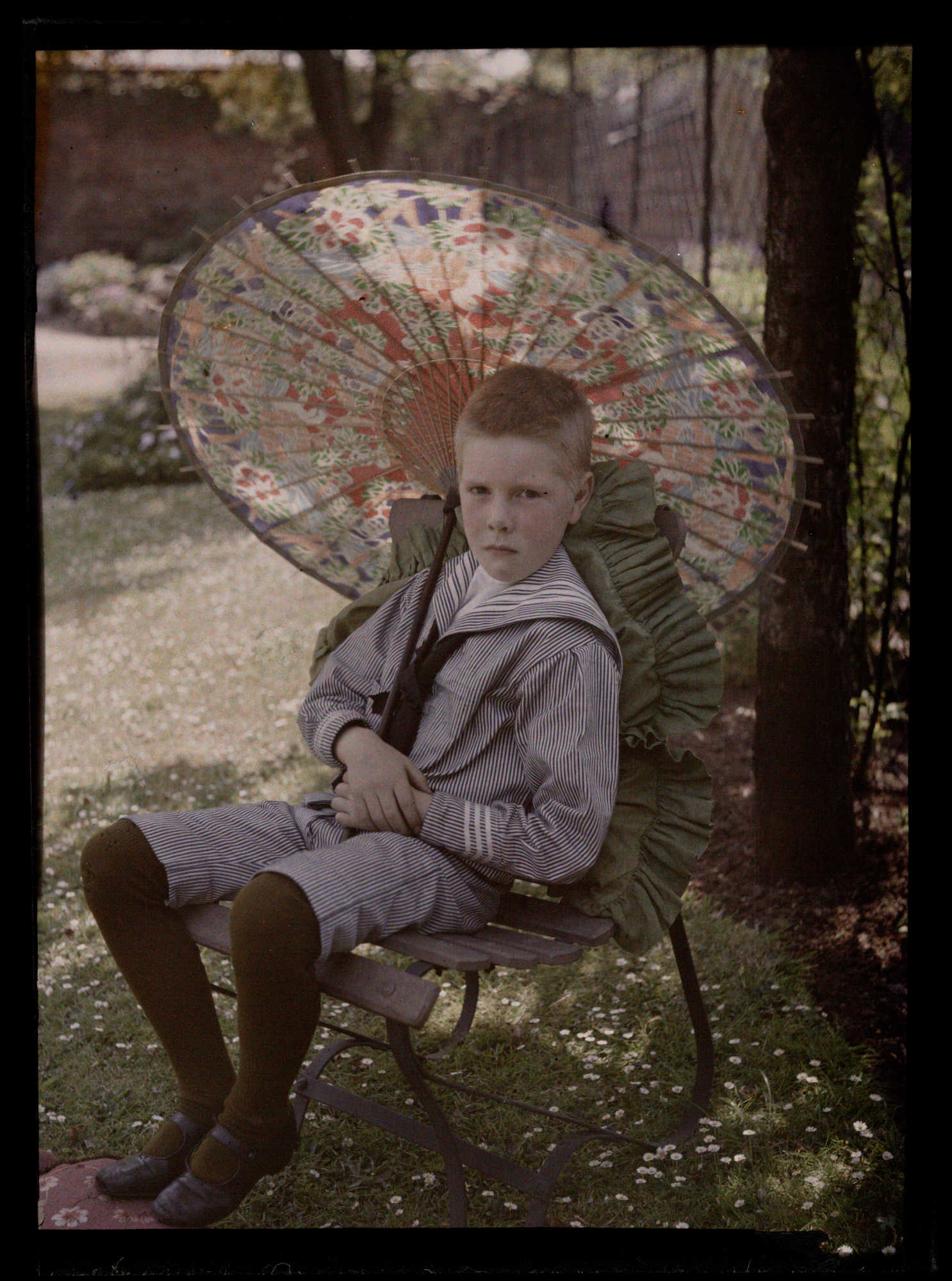 Anonymous, "Boy with a Parasol," ca. 1910, autochrome
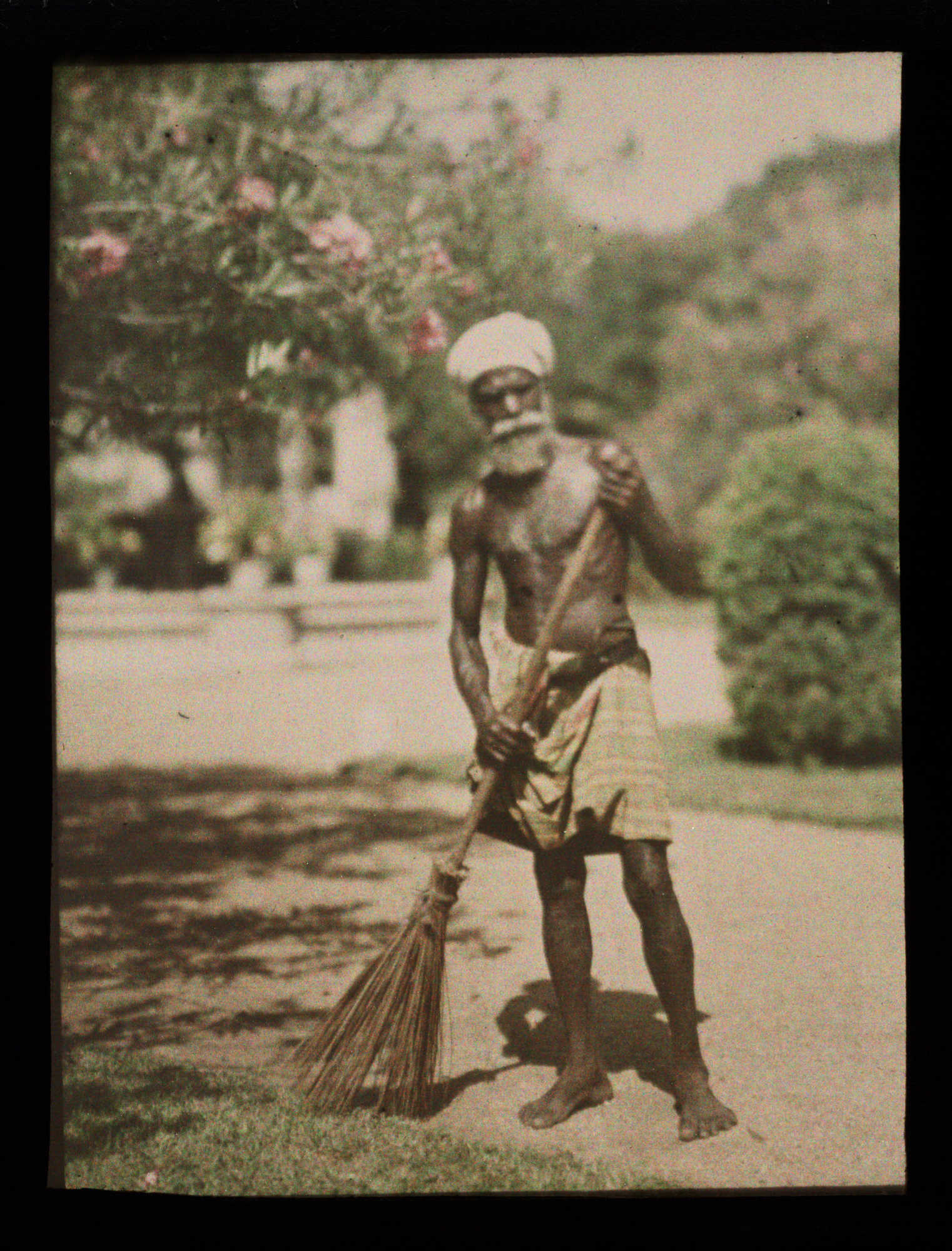 Helen Messinger Murdoch, "Gardens of Colombo," ca. 1914, autochrome
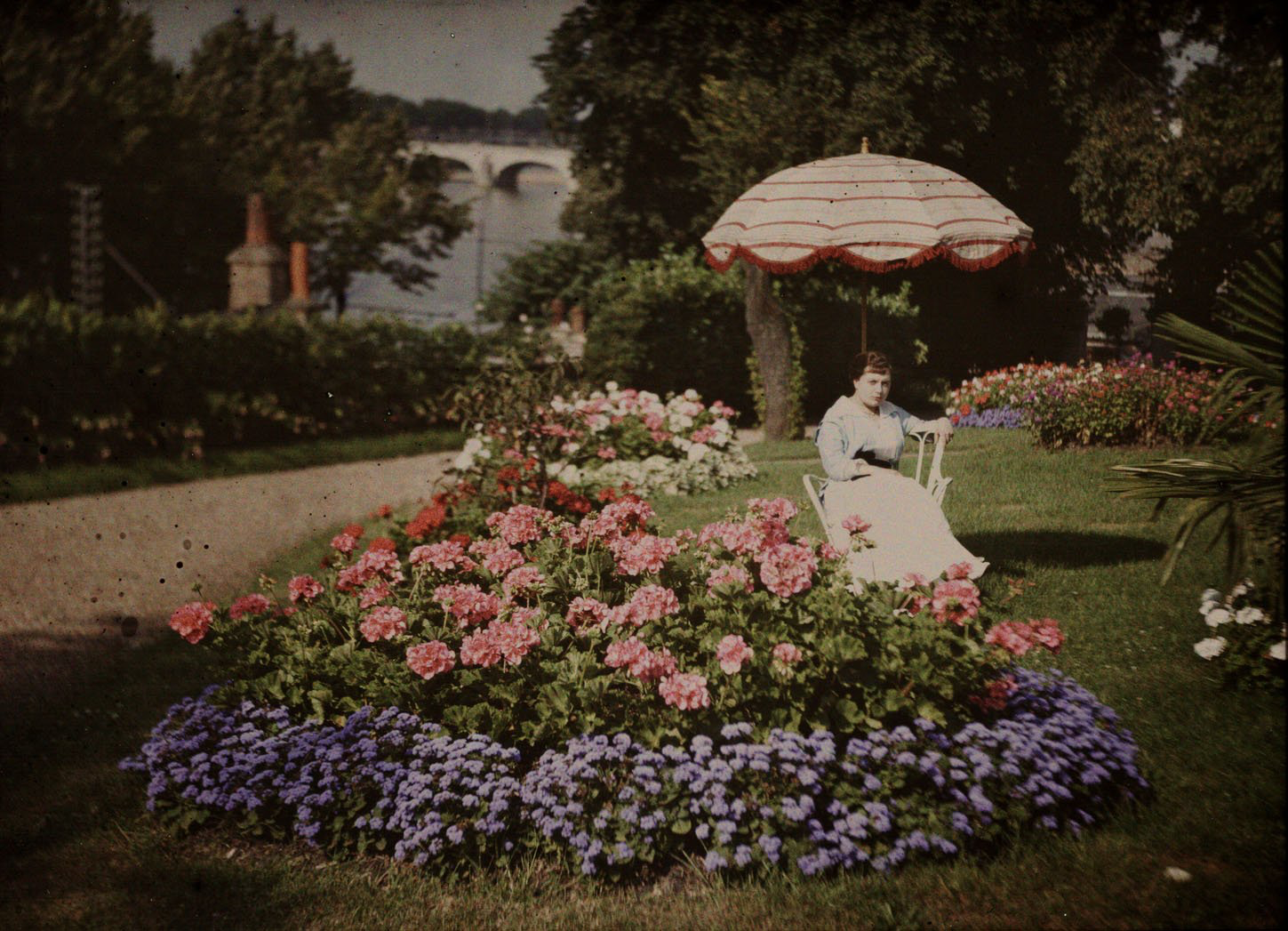 Autochrome with a woman in a garden with a parasol, unknown photographer, ca. 1910 © Science Museum Group Collection
How Was Autochrome Made?
Starch was sifted into grains of 10-15 microns, colored in three colors, applied to glass, and rolled under pressure of 5 tons per cm². The final layer — light-sensitive emulsion. The grains on the plate were distributed randomly, but through mathematical probability they inevitably formed clusters of one color — this is exactly what gave Autochrome its characteristic appearance, which was compared to the paintings of Impressionists and Pointillists. By 1913, the Lumière factory in Lyon was producing 6,000 plates per day.
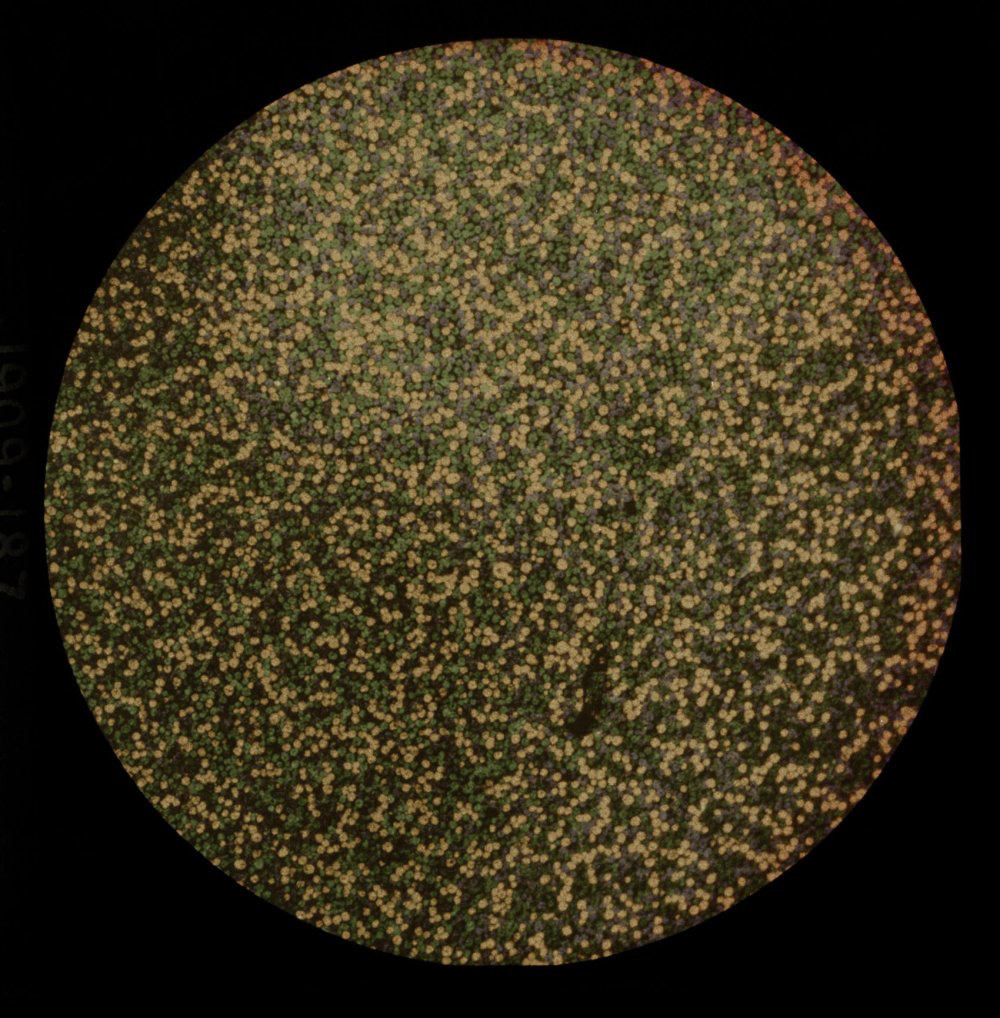
The Race for Color
A new idea: tripack
In 1916, Ives stacked three layers of emulsion in one — each sensitive to its own color. The idea that led to Kodachrome.
Vivex, the quiet leader of the 1930s In 1928, Vivex was invented by the future head of Kodak. Up to 90% of color prints in Britain in the 1930s were made this way.
Colorsnap: a loud failure
In 1928, the company attracted huge investments for a new process. The photographs came out blurry. In 1929 — bankruptcy.
An idea that didn't work right away
In 1912, Fisher patented "color couplers" for color development. The theory was correct. It took another 20 years to implement it.
Dufaycolor for everyone
In 1932, a process appeared for ordinary people, not enthusiasts. Kodak would develop the film and return finished photographs. It remained on the market until the 1950s.
1935. Kodachrome and Mass Production
In 1917, two amateur musicians, Mannes and Godowsky, were outraged by the quality of color film — and decided to do better themselves. Over more than a decade of work — mostly in a drawer, not in a laboratory — they brought the process to completion. In 1922, Kodak believed in their work and began supplying materials. They only moved full-time to the laboratory in 1931.
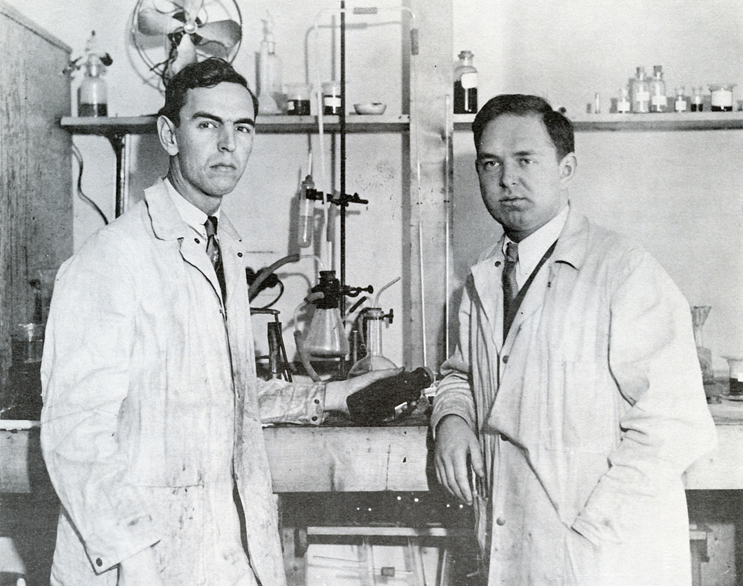
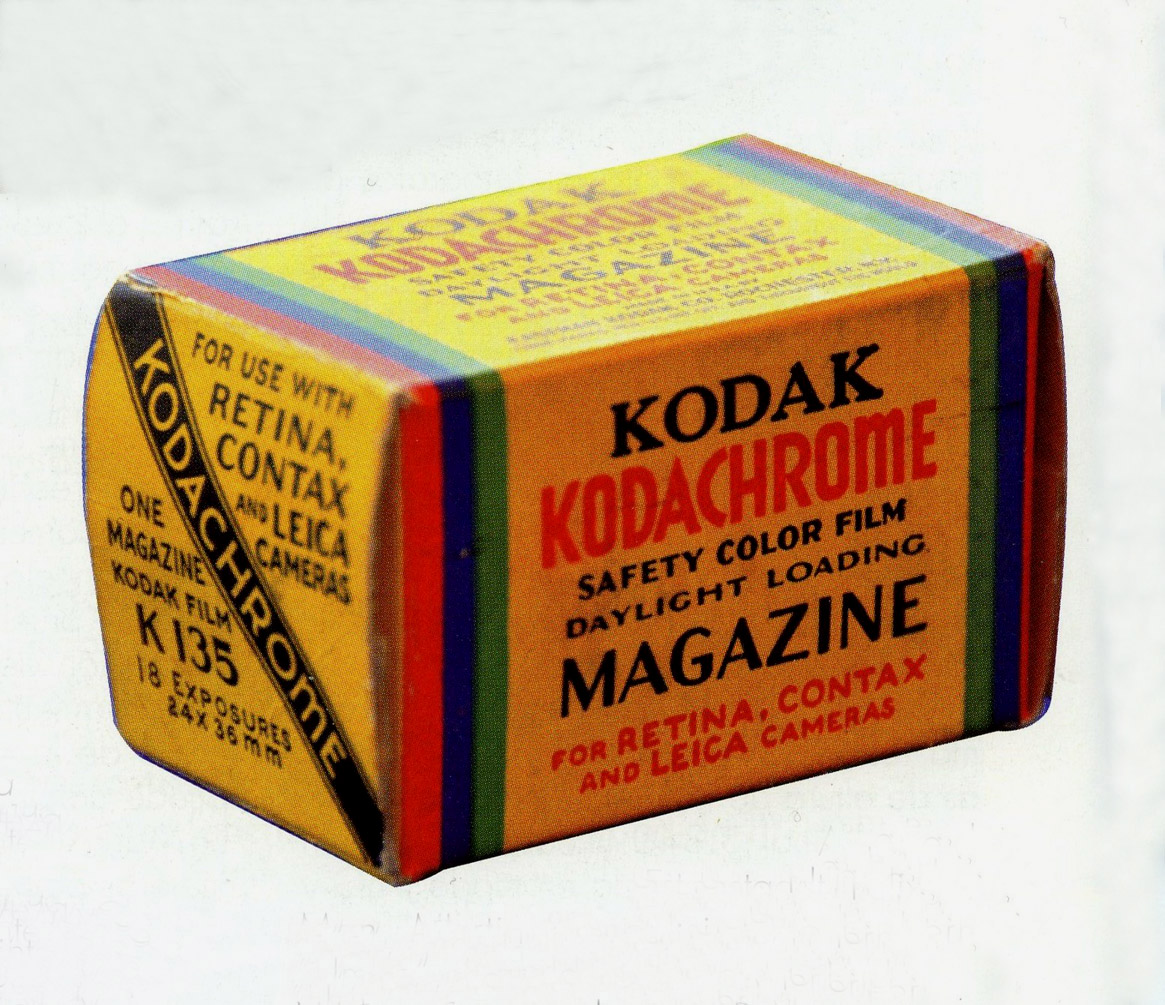
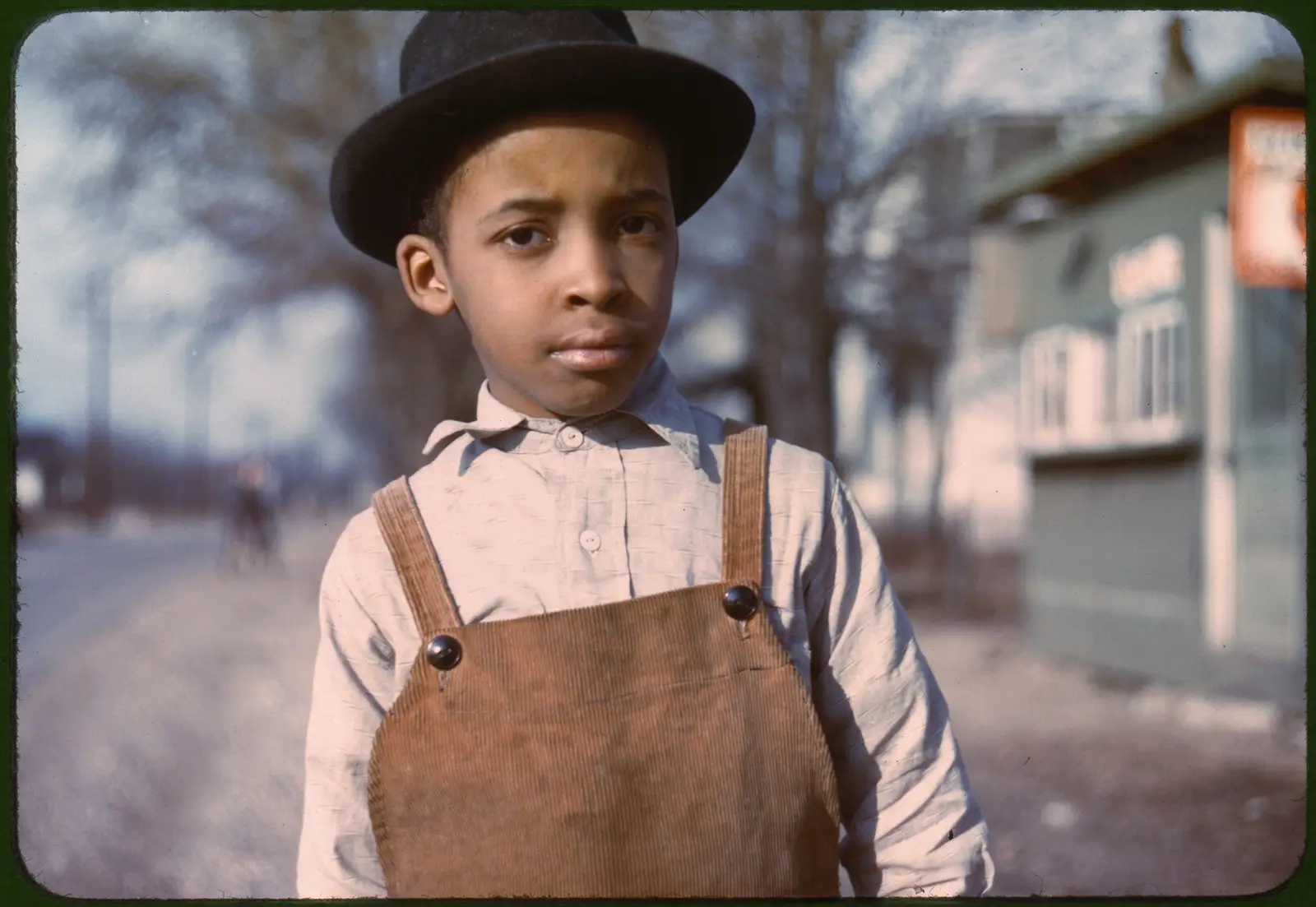 Boy near Cincinnati, 1942 or 1943. Library of Congress, Kodachrome
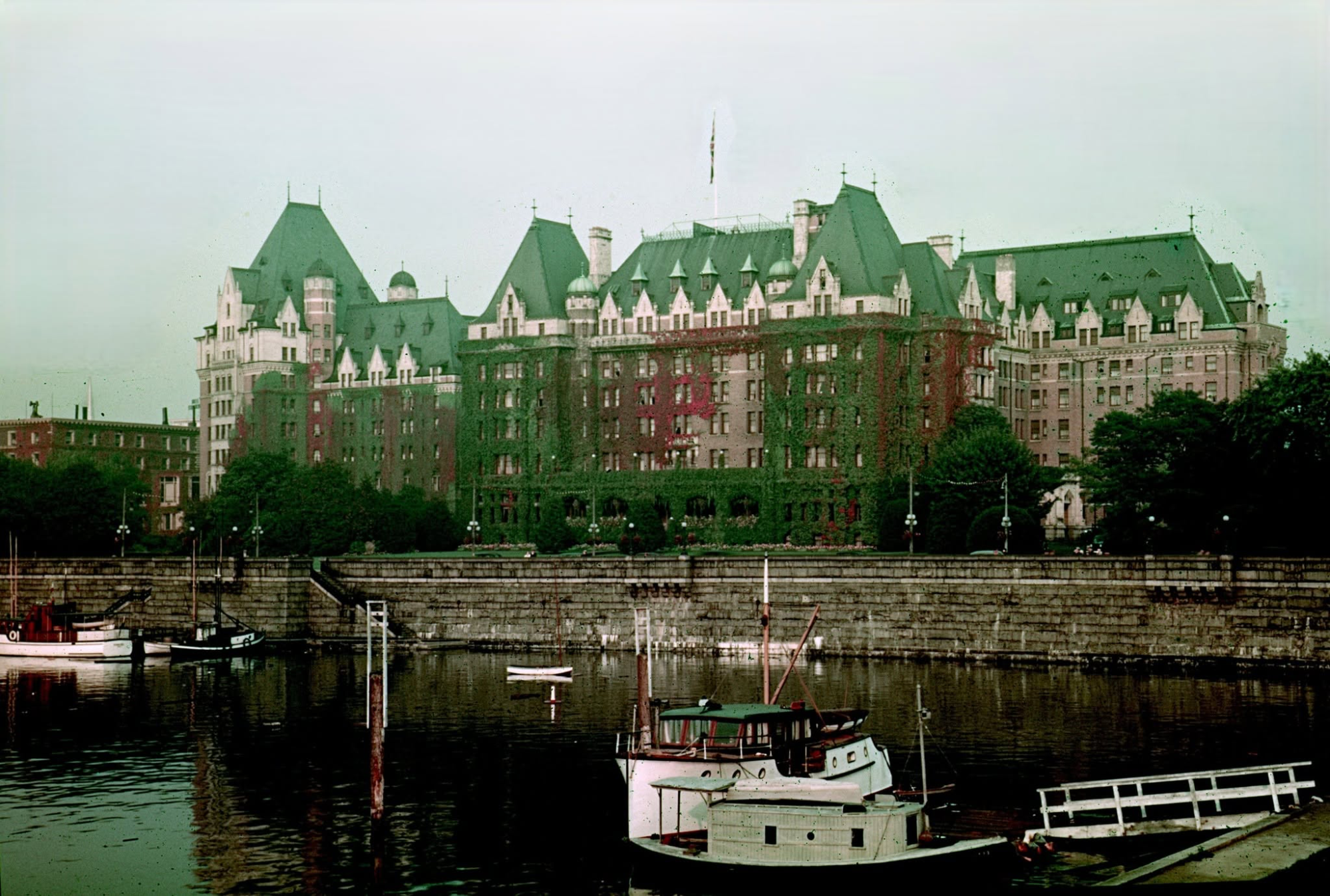 "View Through Victoria's Inner Harbor to the Empress Hotel". September 1938, Kodachrome
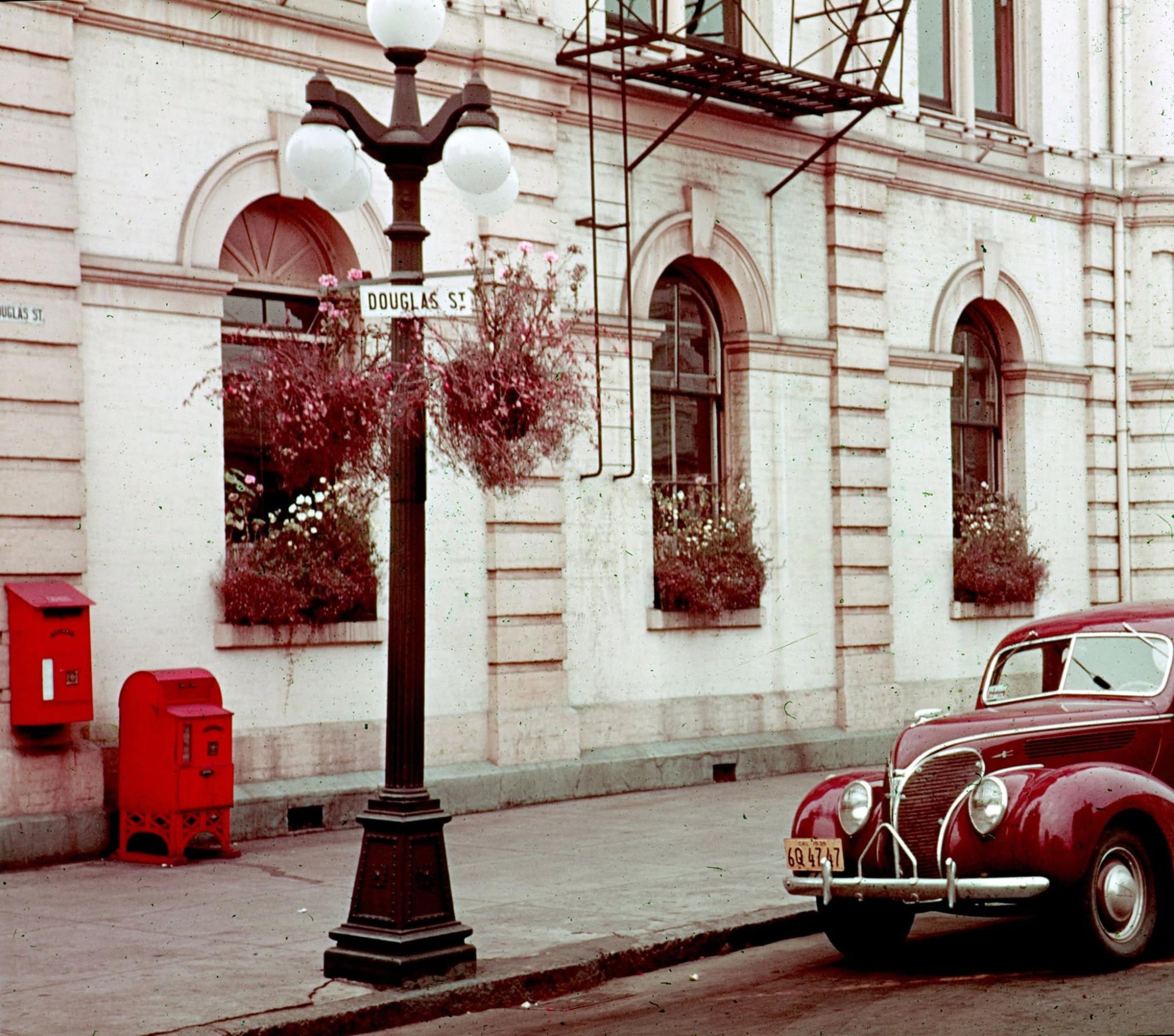 "Victoria Town Hall, Sunday Noon. Mailbox and Hanging Baskets of Flowers". September 1938, Kodachrome
Recognition
Color photography became common — advertising, magazines, National Geographic. Ernst Haas showed color photographs at MoMA as early as 1962. But "serious art" only recognized color in 1976, after William Eggleston's exhibition — and even then, critics initially tore it to shreds.
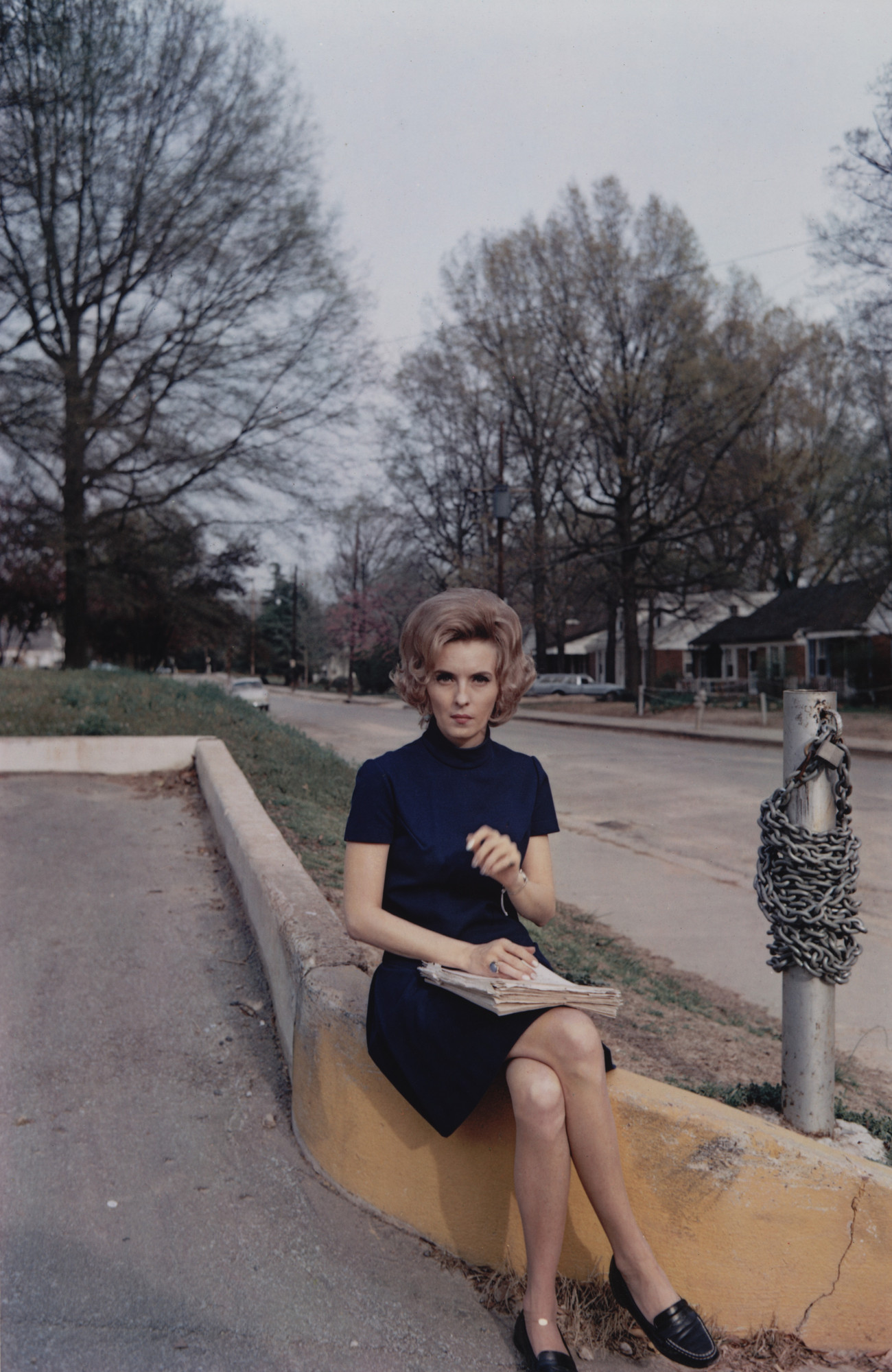 William Eggleston, "Memphis," 1969
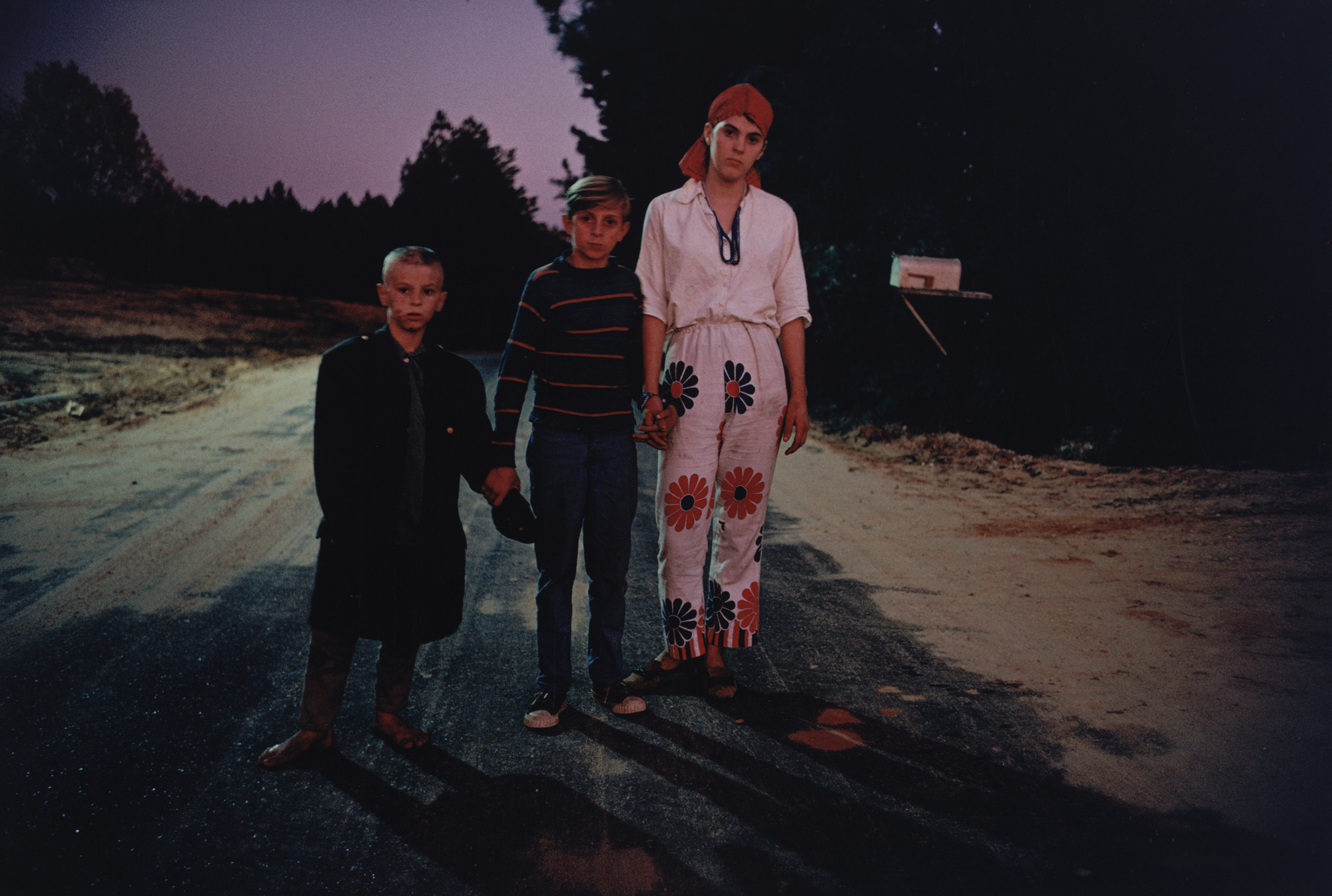 William Eggleston, "Outskirts of Morton, Mississippi, Halloween," 1971
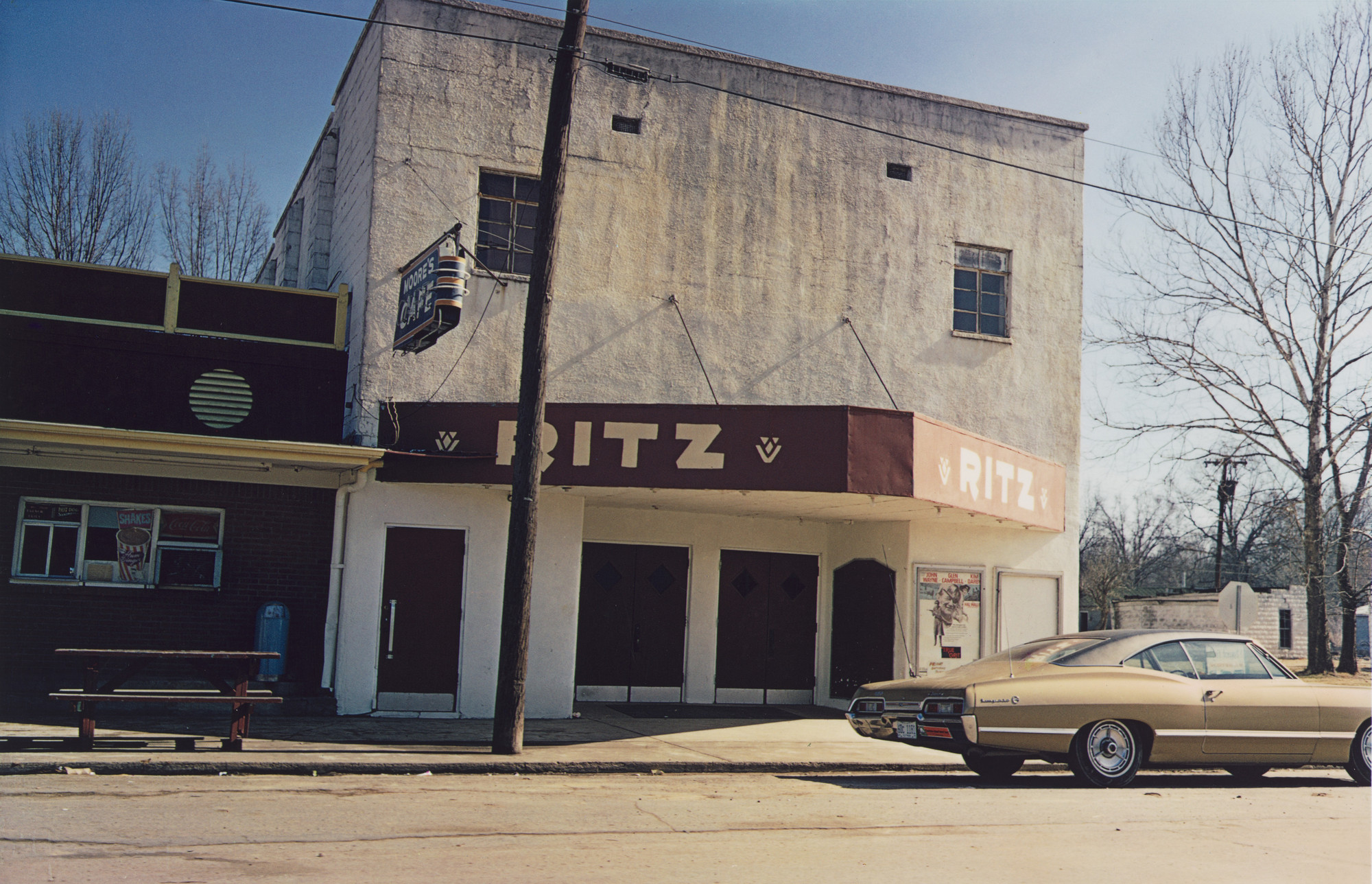 William Eggleston, "Grenshaw, Mississippi," ca. 1969–70