Cinema as a Textbook of Composition. 8 Techniques Every Photographer Should Know
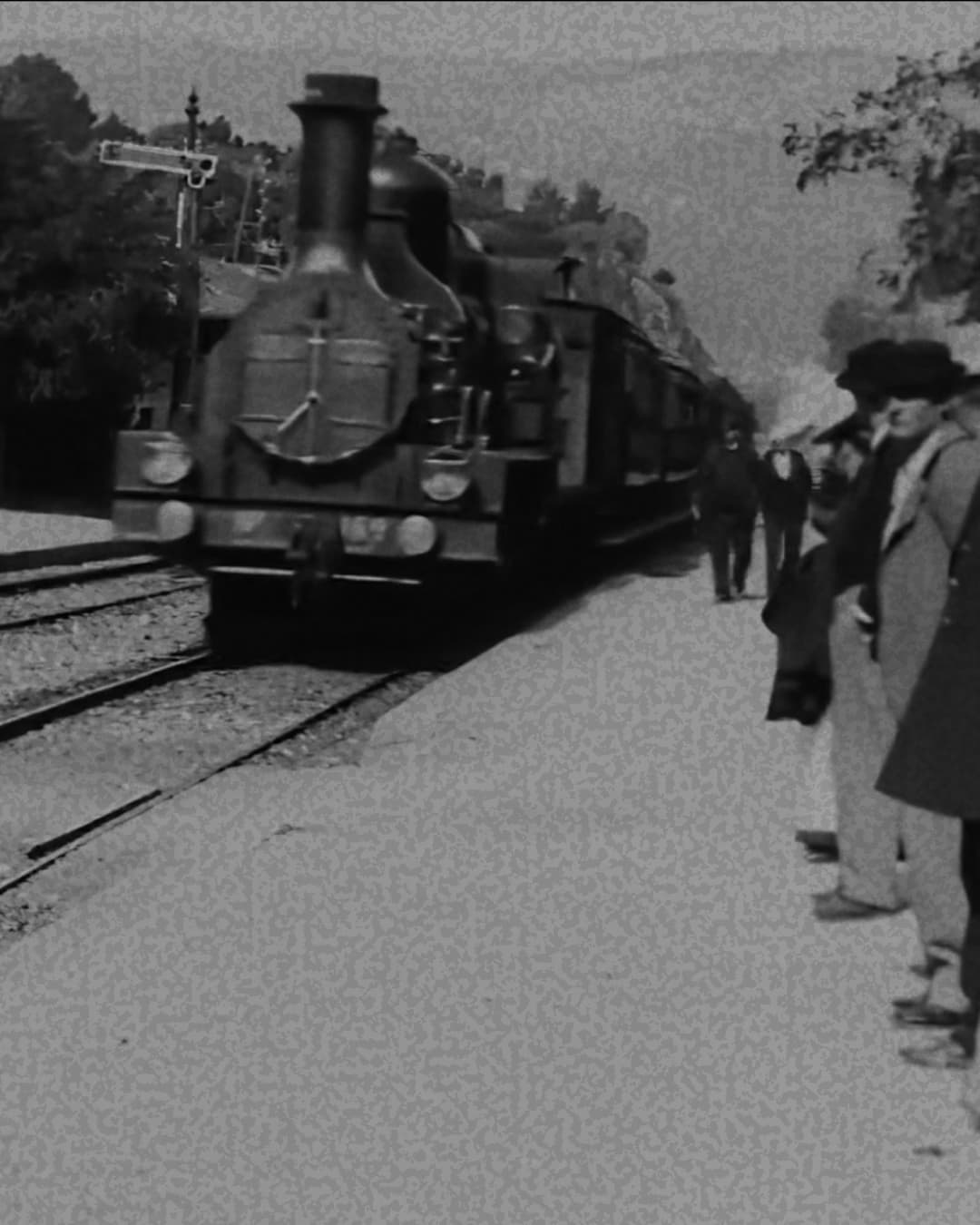
Every frame in a film is not a coincidence. Behind it stands the director, cinematographer, and producer, who consciously decided where to place the character, how to distribute light and shadow, and where to direct the viewer's gaze. Cinema is essentially composition in motion: thousands of frames, each of which is governed by the same rules that apply in a static photographic frame.
Composition is the language through which a photographer communicates with the viewer without words. The rule of thirds, leading lines, balance of negative space, depth through foreground and background — all these are tools that determine whether a frame "works" or simply captures a moment. The difference between a random snapshot and a memorable shot often lies in the compositional decisions rather than the camera technique or processing.
Photographers often study composition through examples of painting or classical photography — and this is correct. But cinema offers something that static examples lack: the ability to see how the same technique works in different scenes, different lighting, with different characters — and achieves results every time. Cinematographers refine these techniques over the years in conditions where each frame must tell part of the story in a matter of seconds — which forces them to use composition as consciously as possible.
This article presents 8 compositional techniques from cinematography that every photographer should adopt: from the classic rule of thirds to techniques that directors use to manipulate the viewer's emotions even before they realize why the frame "grabs" them.
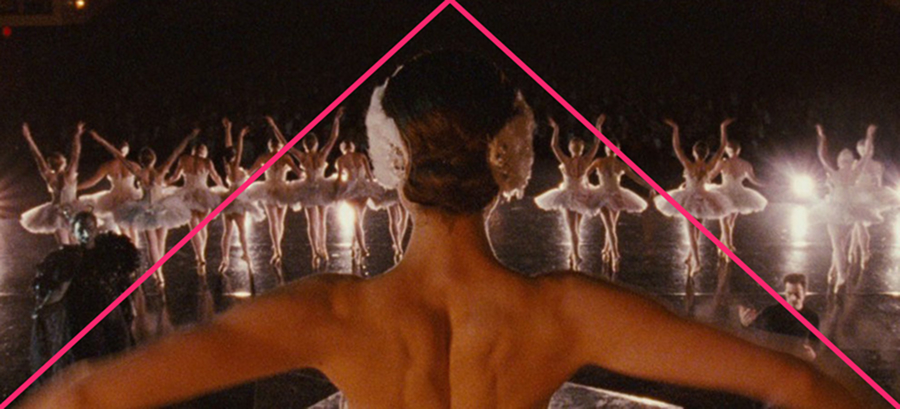
Triangle
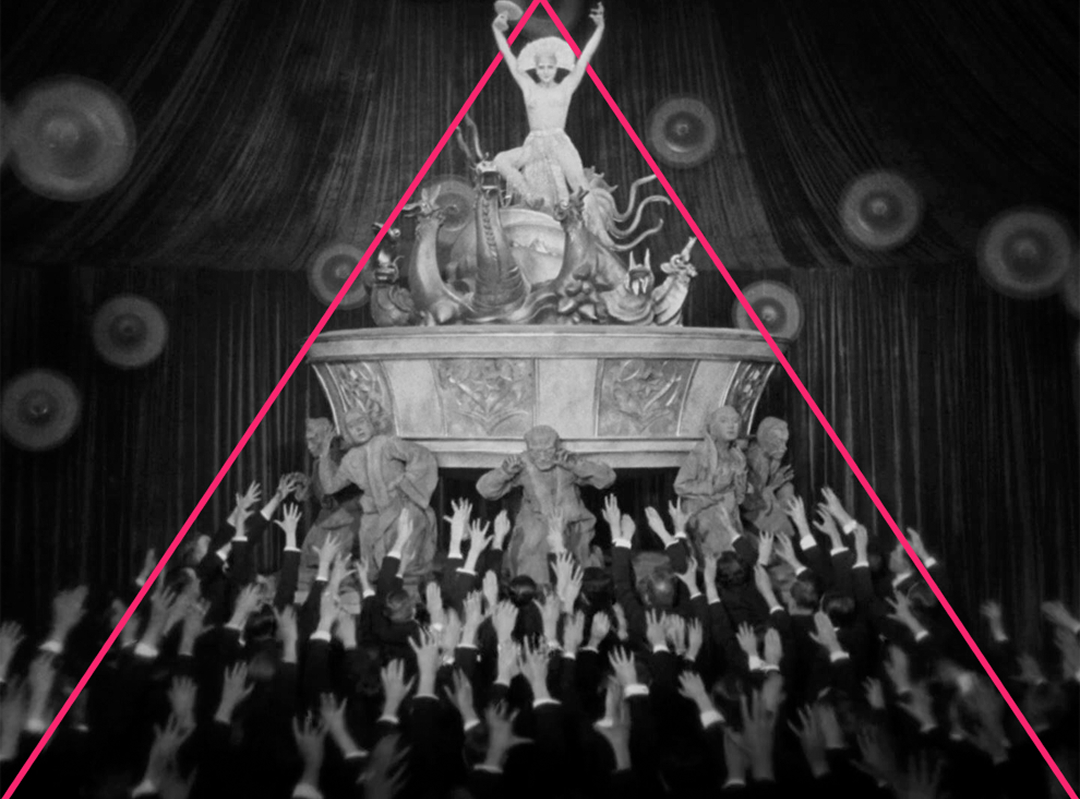
Characters or elements in the frame form a triangle — a stable, balanced shape. Often used for scenes with three characters or to show hierarchy and stability of relationships in the frame. This technique visually organizes the viewer's attention without unnecessary words.
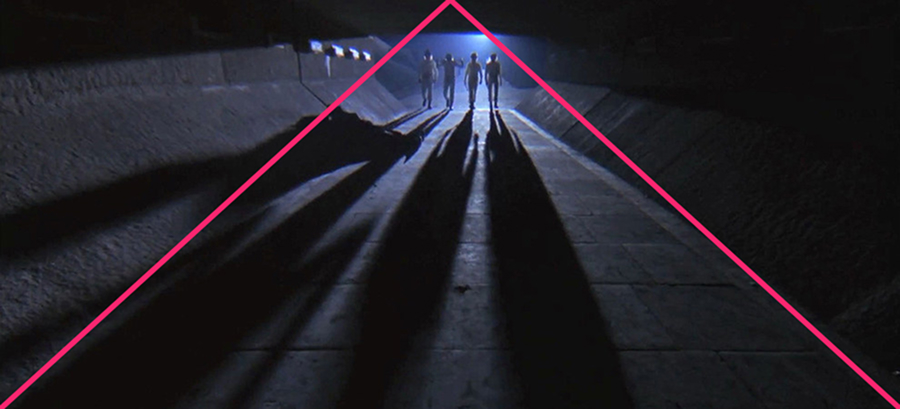
A Clockwork Orange - 1971, dir. Stanley Kubrick
Black Swan - 2010, dir. Darren Aronofsky
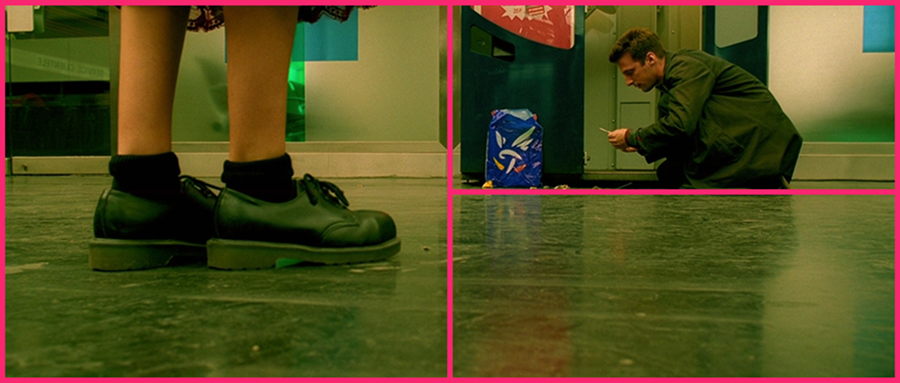
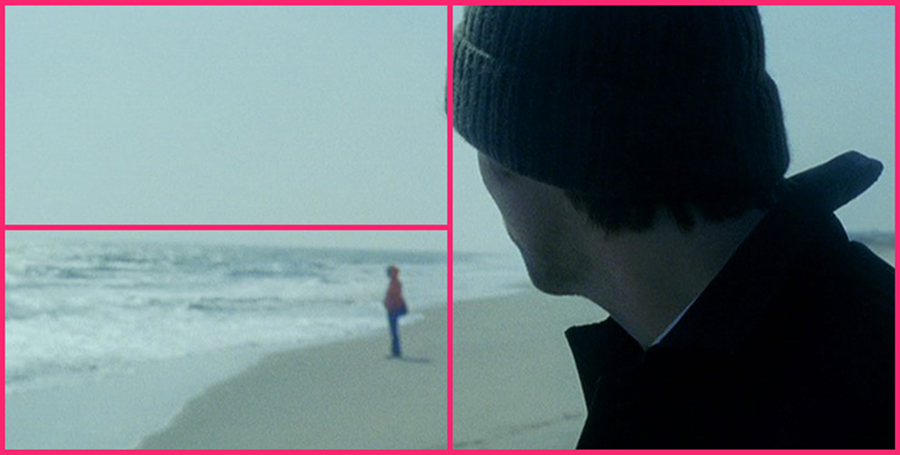
Quadrants
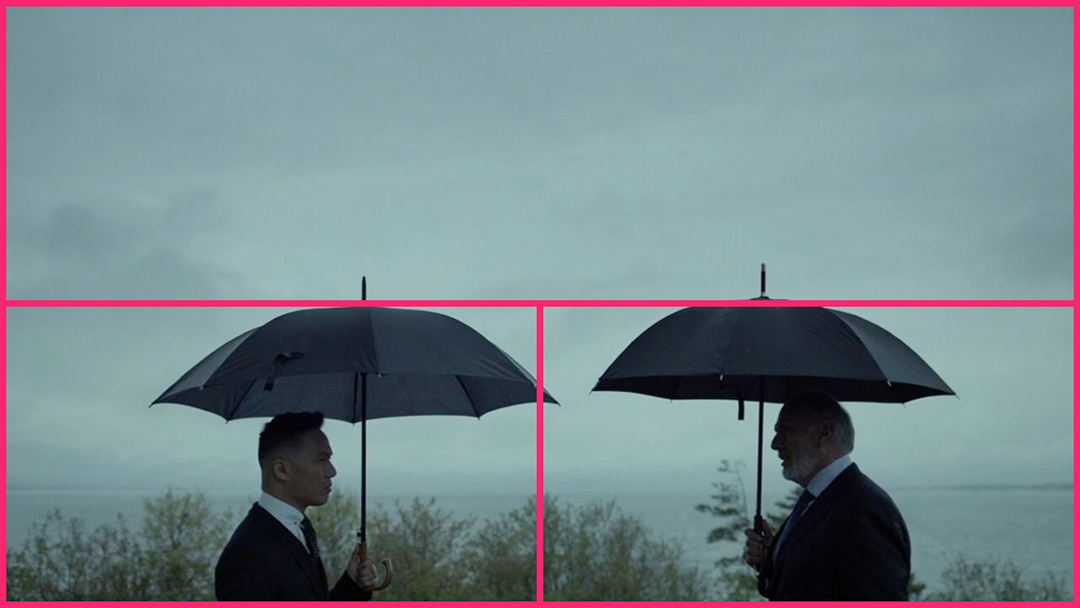
The frame is divided into four conditional zones, and the object is placed in one of them. It creates a sense of space around the character, emphasizes loneliness or the scale of the surroundings. Empty space becomes as expressive as the character itself.
Amélie - 2001, dir. Jean-Pierre Jeunet
Eternal Sunshine of the Spotless Mind - 2004, dir. Michel Gondry
Circle
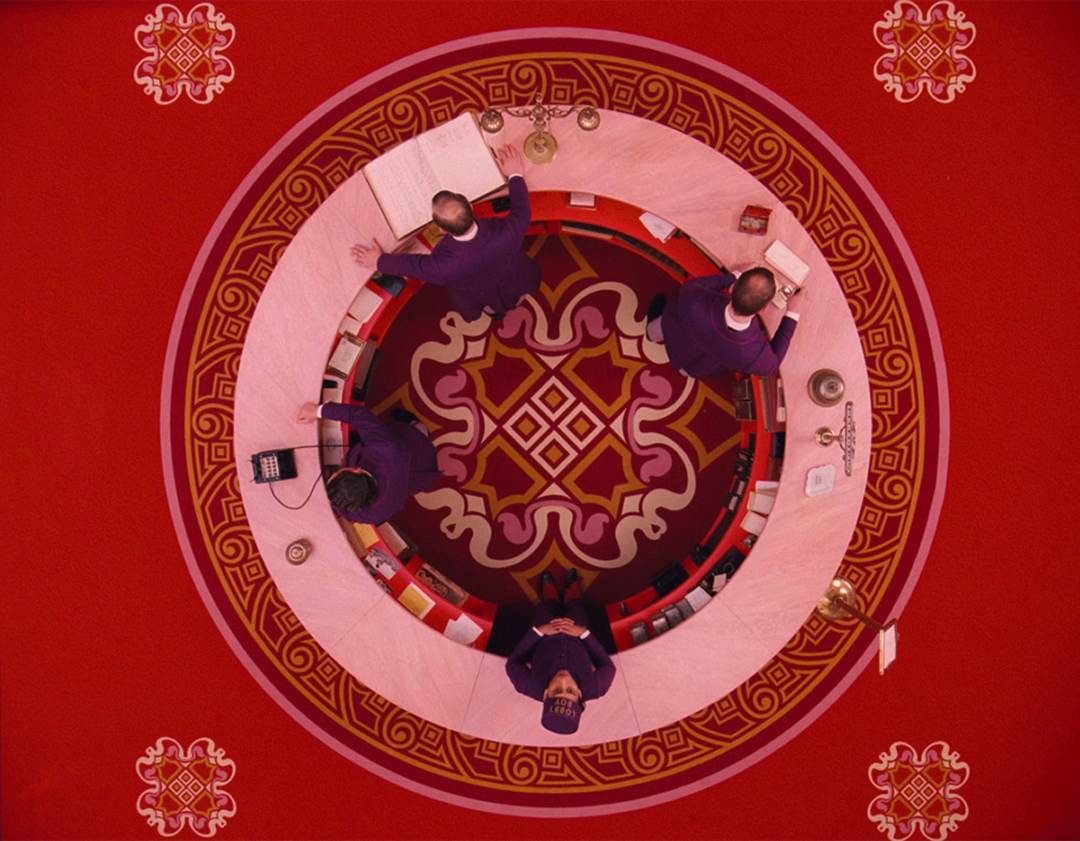
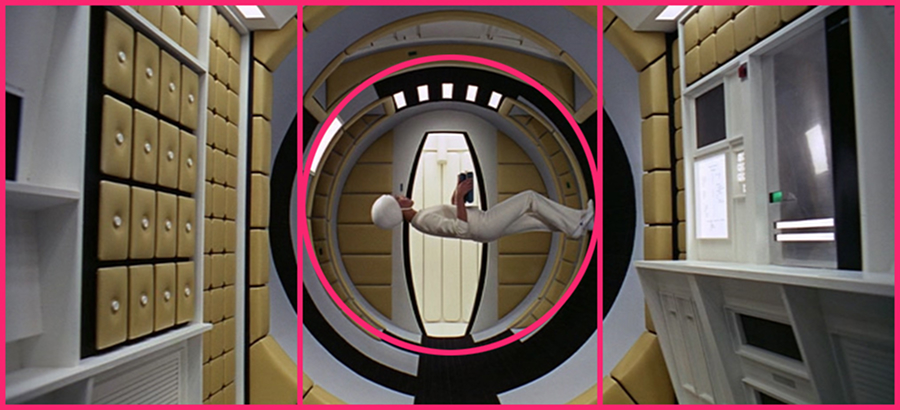
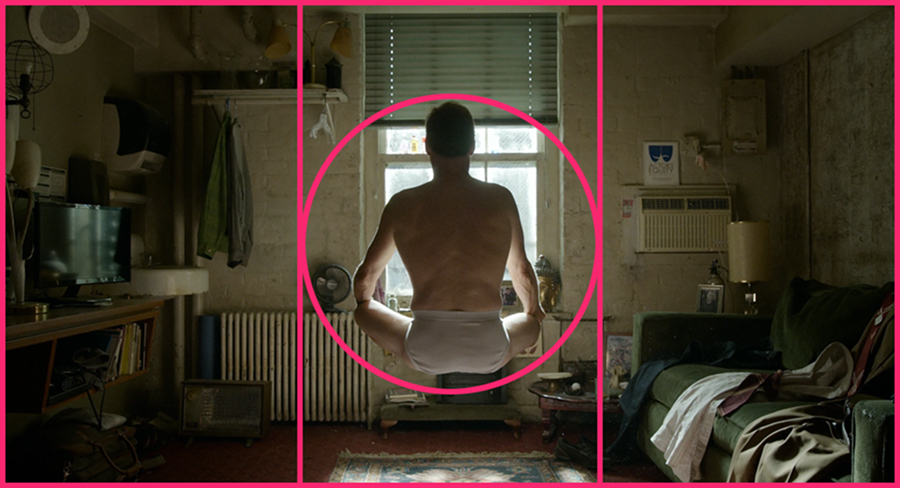
Circular shapes — arches, windows, crowds around the character — focus the gaze at the center of the frame. Circles create a sense of completeness, wholeness, or, conversely, enclosed space. They often highlight a key moment or an important emotional moment in the scene.
2001: A Space Odyssey - 1968, dir. Stanley Kubrick
Birdman - 2014, dir. Alejandro Iñárritu
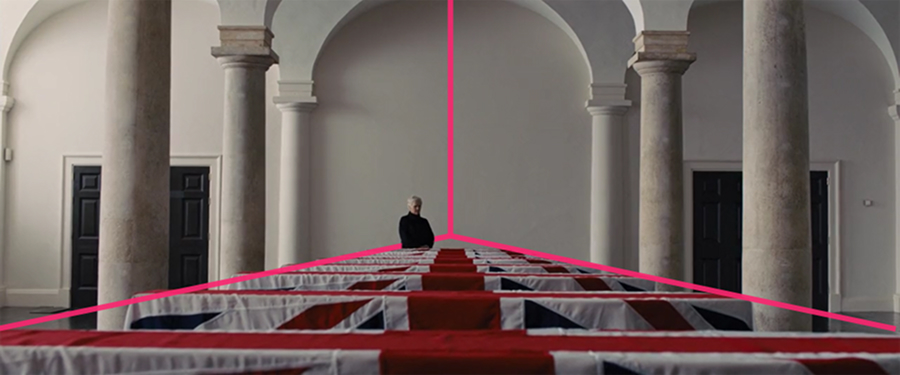
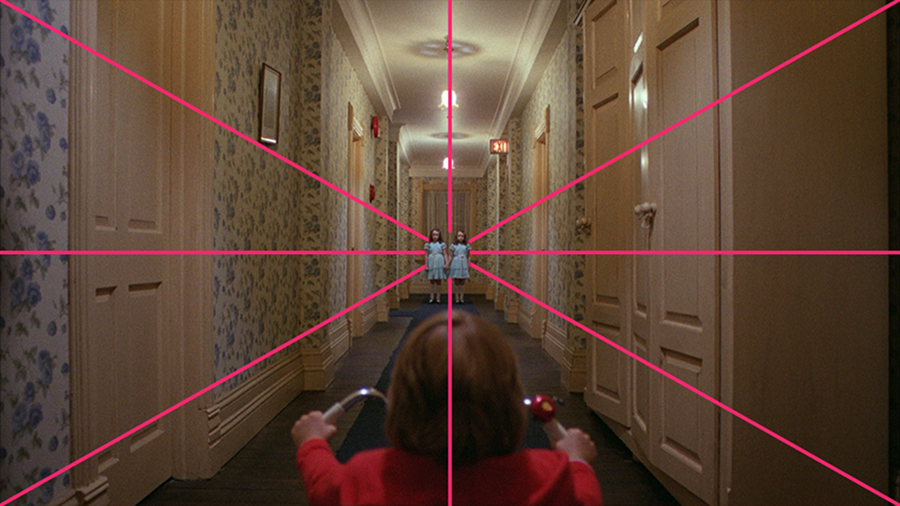
Vanishing Point
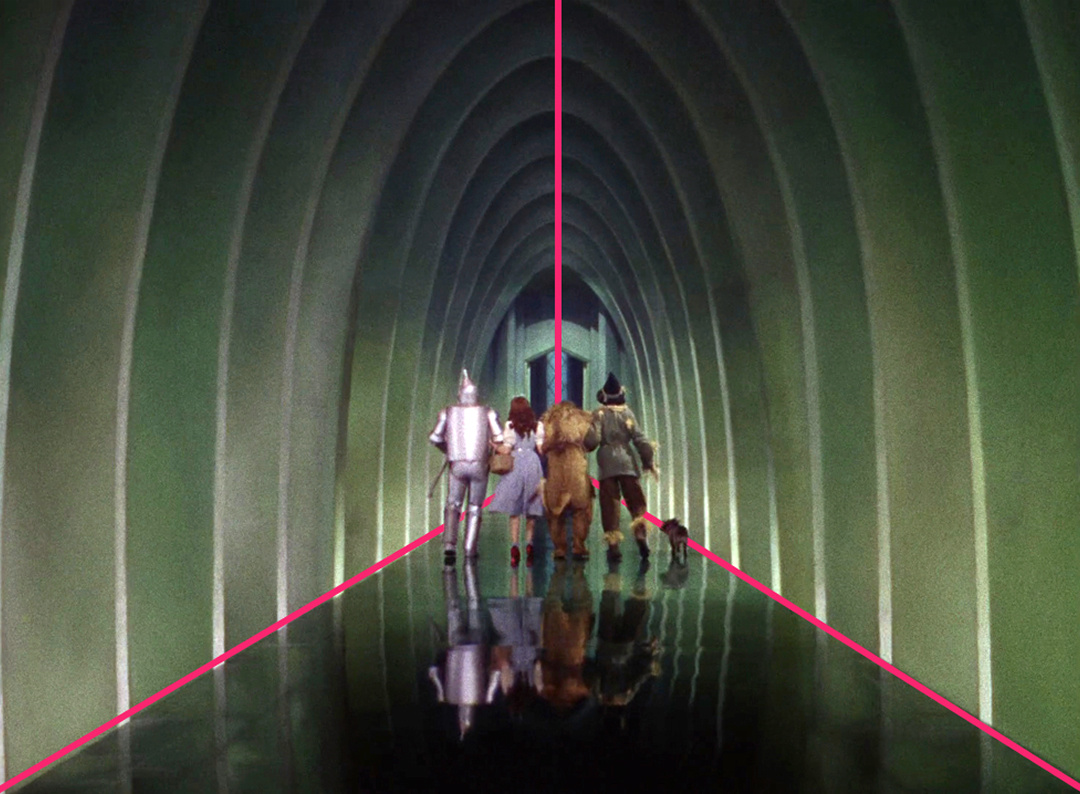
Lines in the frame (road, corridor, tracks) converge at a single point, drawing the viewer's gaze deep into the image. A classic technique for conveying movement, travel, or the inevitability of events. It creates depth and a sense of perspective even in a flat frame.
007: Skyfall - 2012, dir. Sam Mendes
The Shining - 1980, dir. Stanley Kubrick
Symmetry
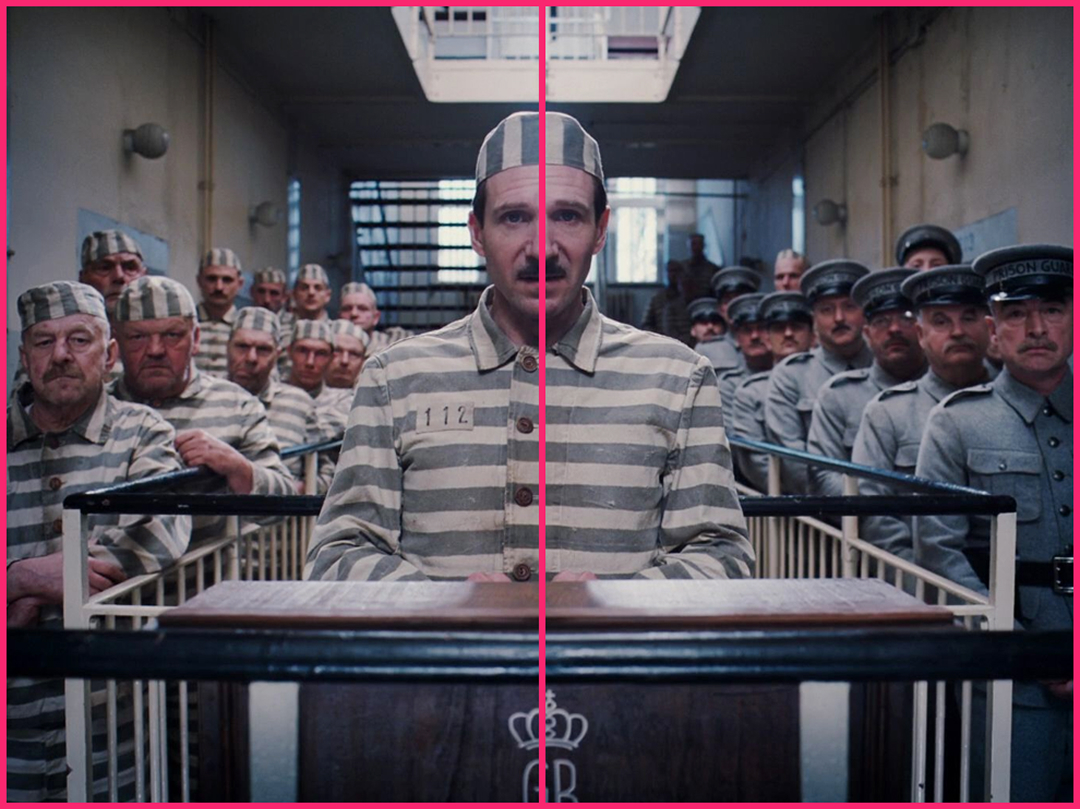
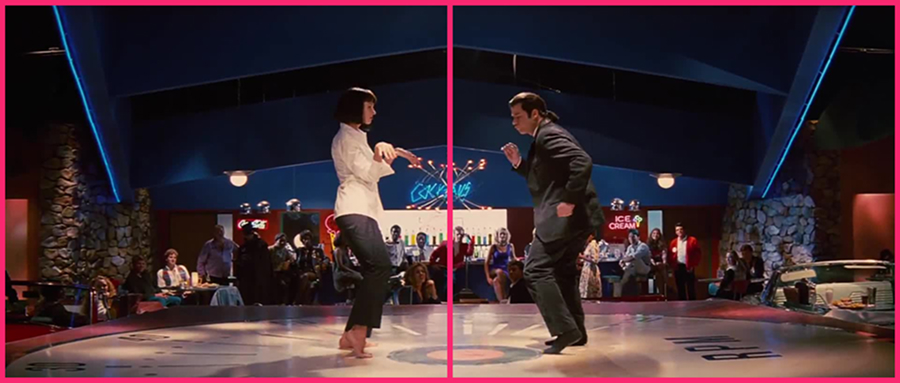
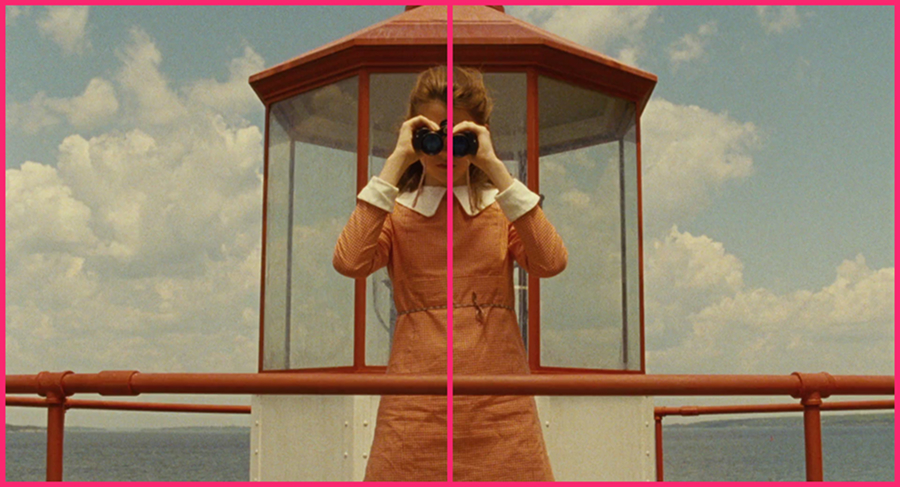
Mirror composition relative to the central axis. It evokes a sense of order, control, or, in the hands of directors like Wes Anderson, a light theatricality and artificiality of the world. Perfect symmetry often hints at something unnatural or contrived, as if the viewer is presented with a carefully constructed set.
Pulp Fiction - 1994, dir. Quentin Tarantino
Moonrise Kingdom - 2012, dir. Wes Anderson
Diagonal
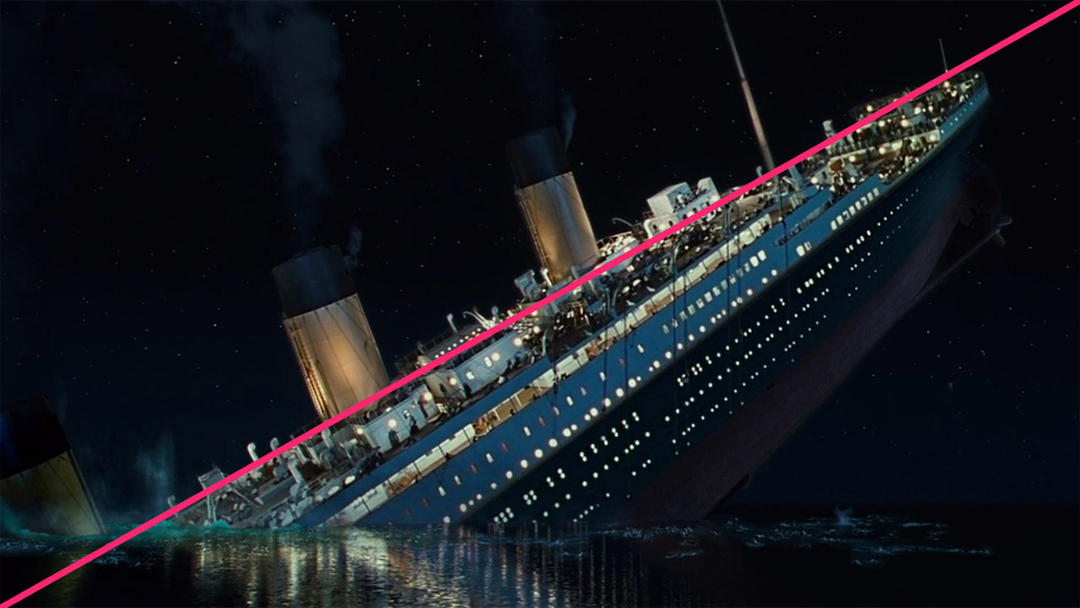
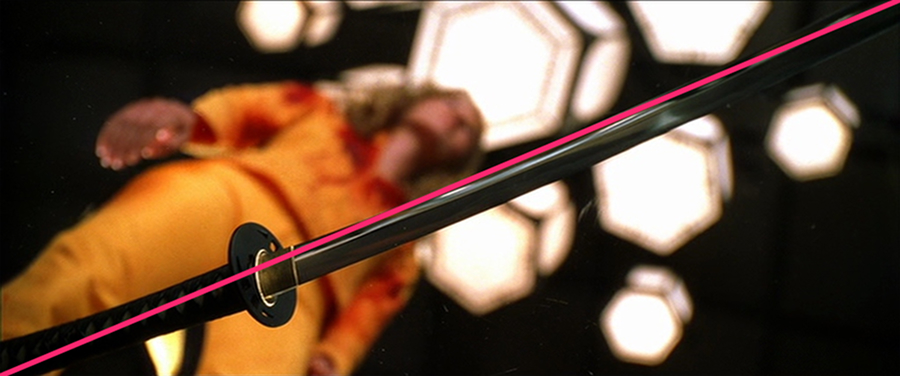
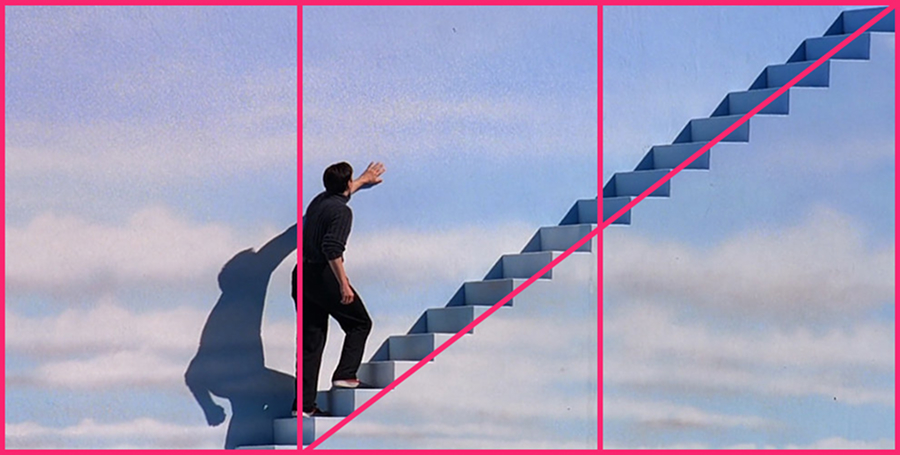
Lines at an angle add dynamism and tension to the frame, unlike static horizontals and verticals. Often used in action scenes or moments of emotional breakdown. The diagonal seems to disrupt balance and keeps the viewer on edge.
Kill Bill - 2003, dir. Quentin Tarantino
The Truman Show - 1998, dir. Peter Weir
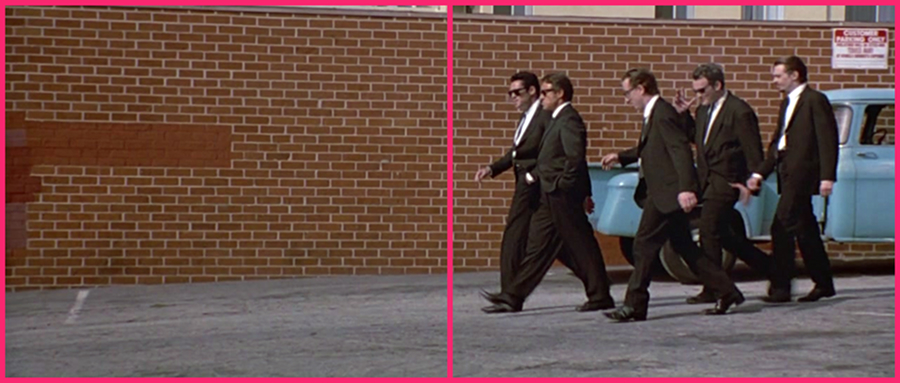
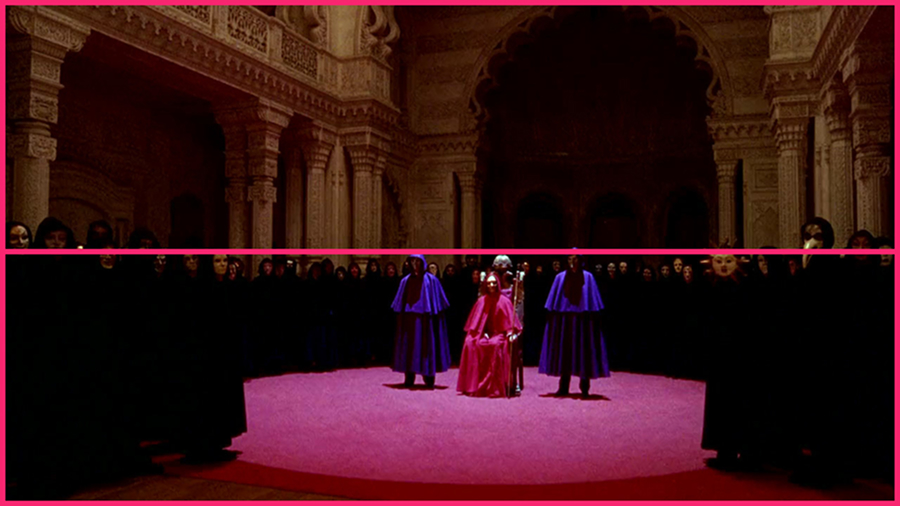
Halves
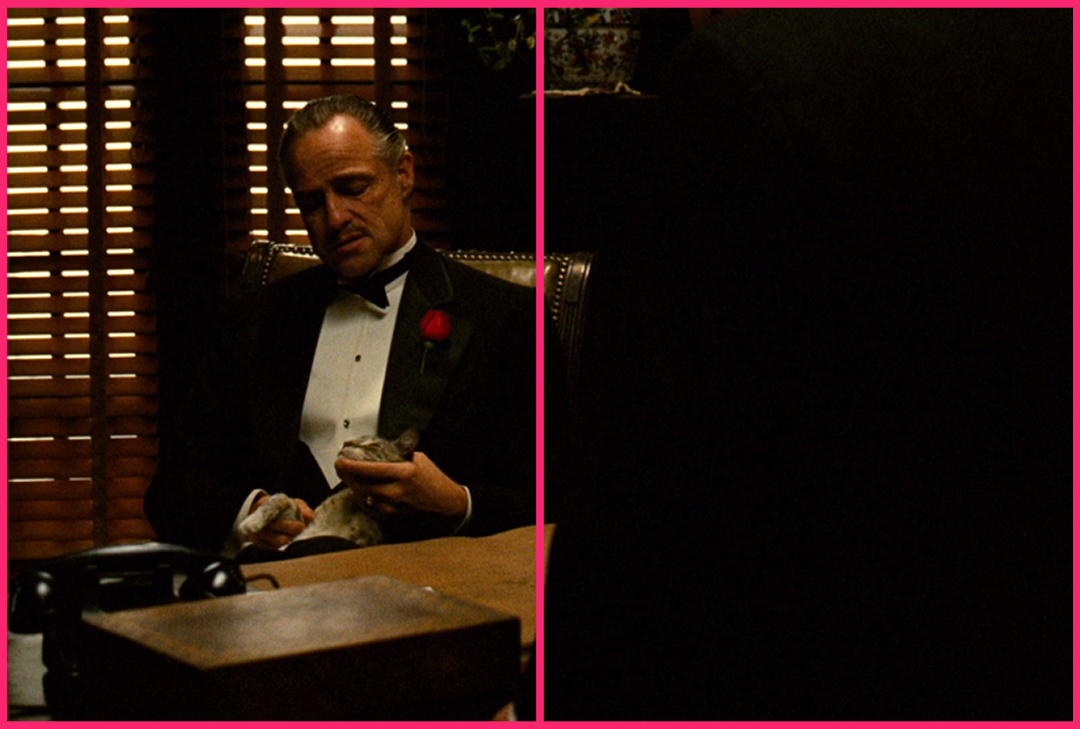
The frame is divided in half — by light and shadow, two characters, two worlds. It emphasizes contrast, conflict, or duality of the scene's theme. This technique visually demonstrates the confrontation or internal choice of the character, as the two halves of the frame seem to engage in a dialogue with each other, and the viewer intuitively reads the tension before understanding its cause, as composition speaks faster than any words or actions of the characters.
Reservoir Dogs - 1992, dir. Quentin Tarantino
Eyes Wide Shut - 1999, dir. Stanley Kubrick
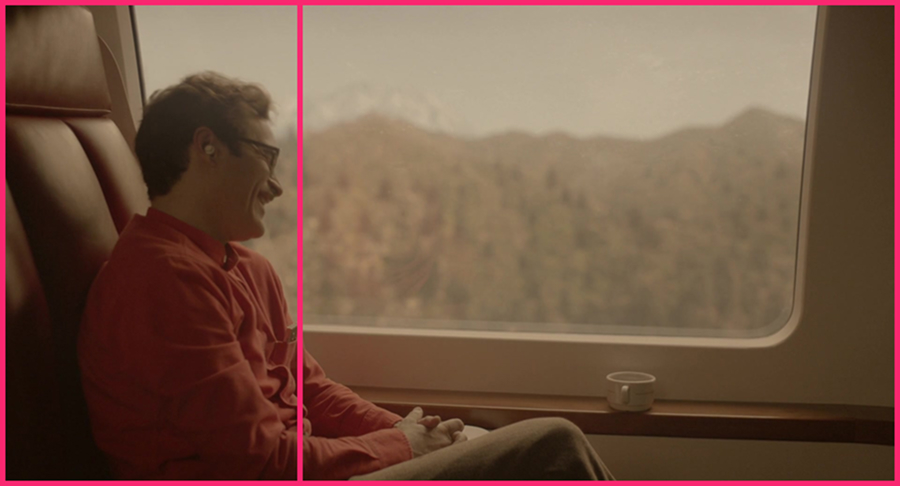
Rule of Thirds
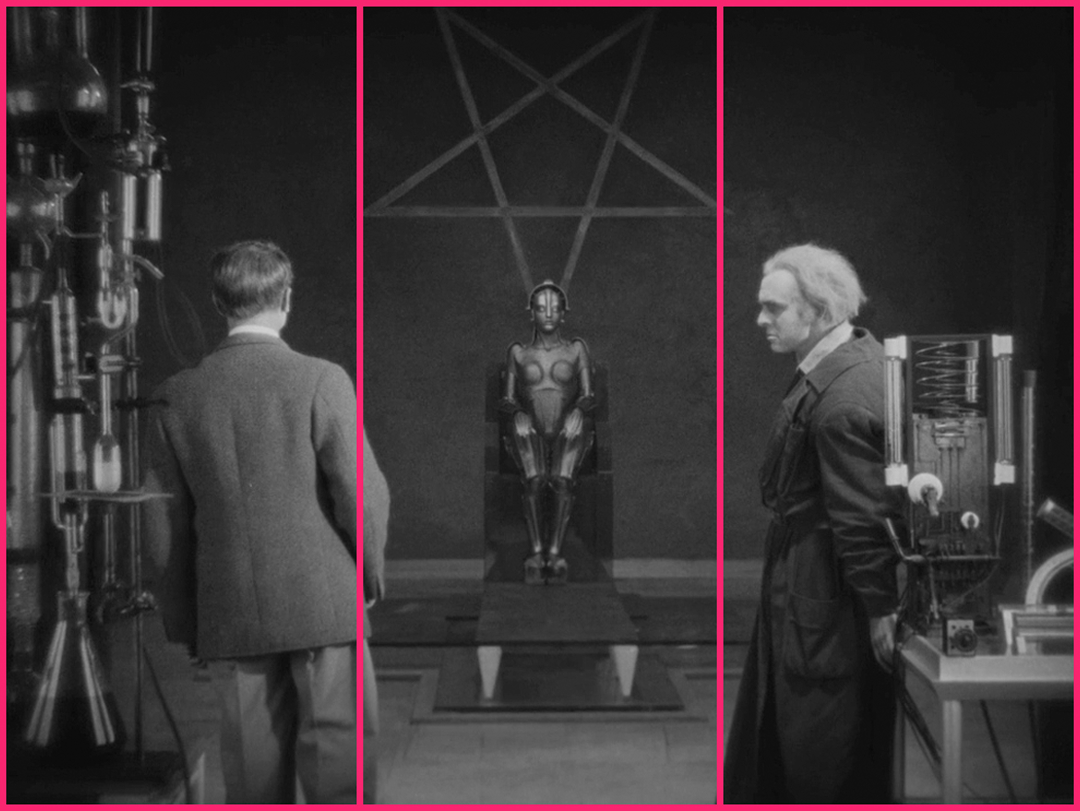
The frame is conditionally divided into 9 parts, and the main object is placed at the intersection of the lines. The most basic yet most universal way to make a composition natural to the eye. That is why this is the first rule that beginners learn before moving on to more complex framing techniques.
Gattaca - 1997, dir. Andrew Niccol
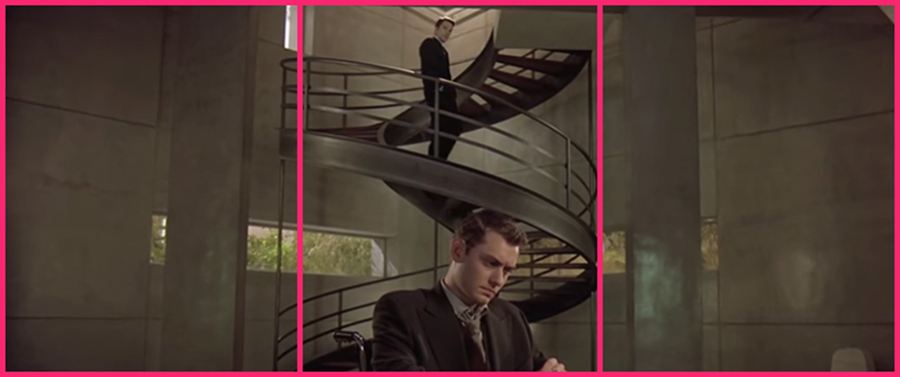
Her - 2013, dir. Spike Jonze